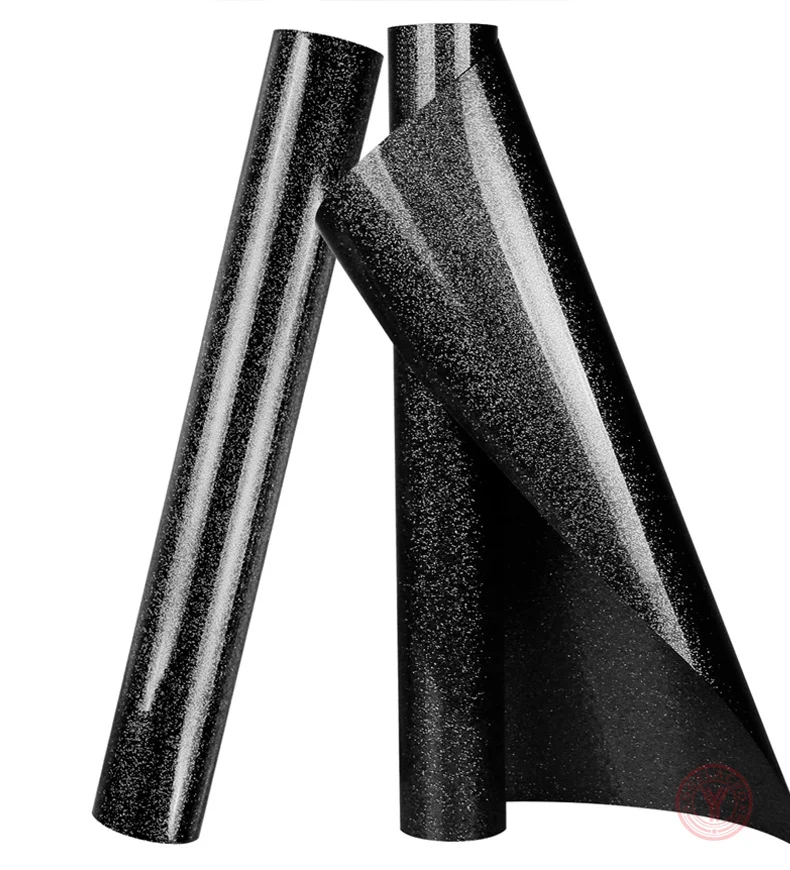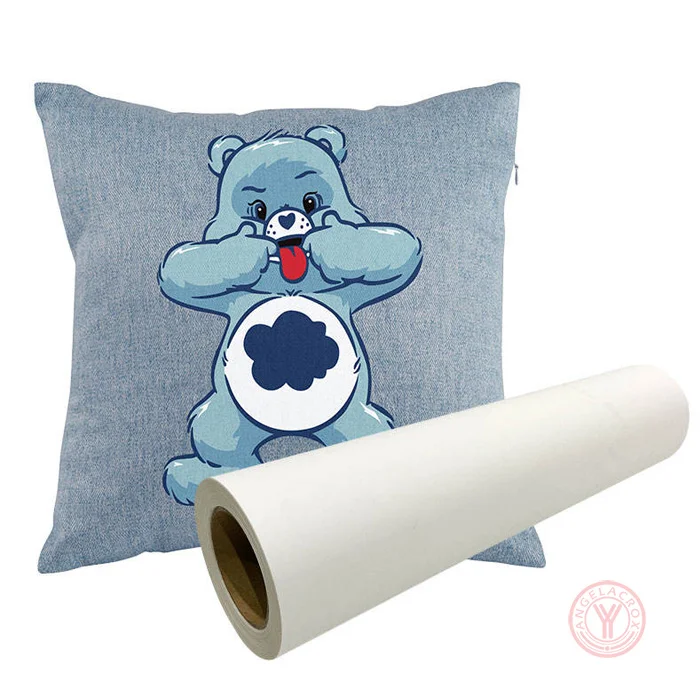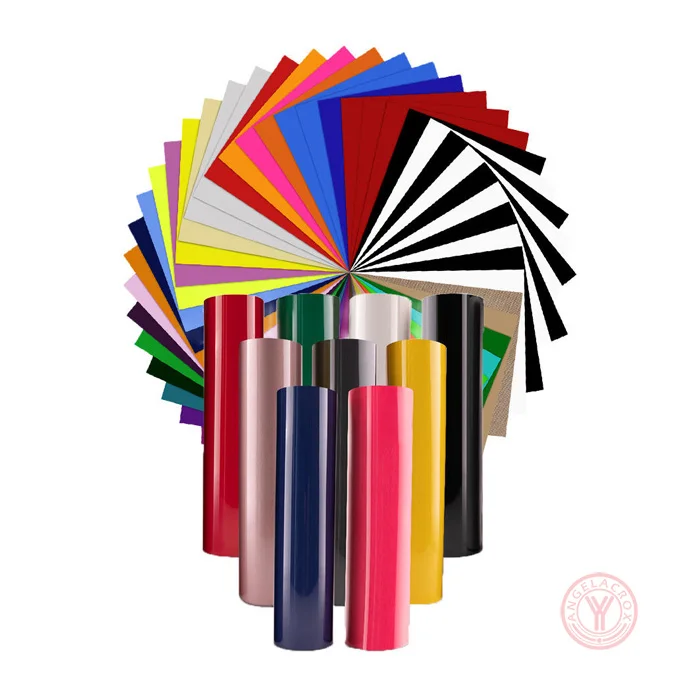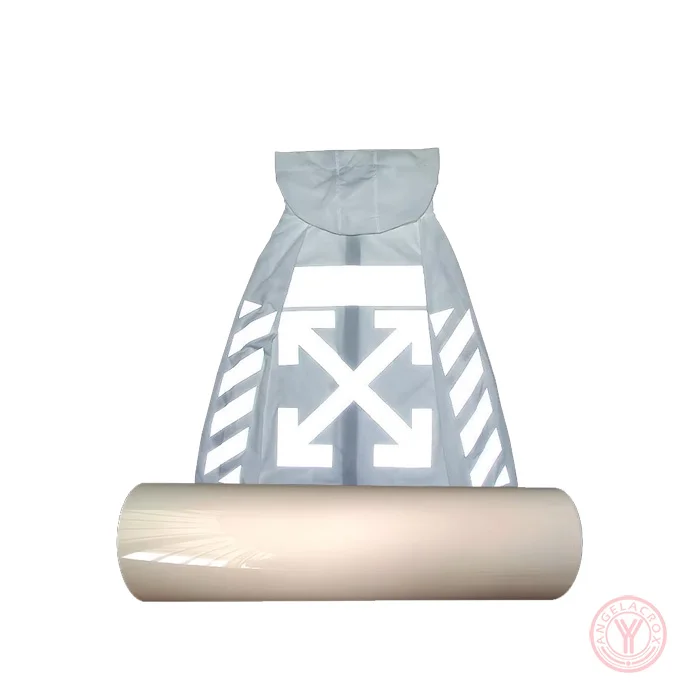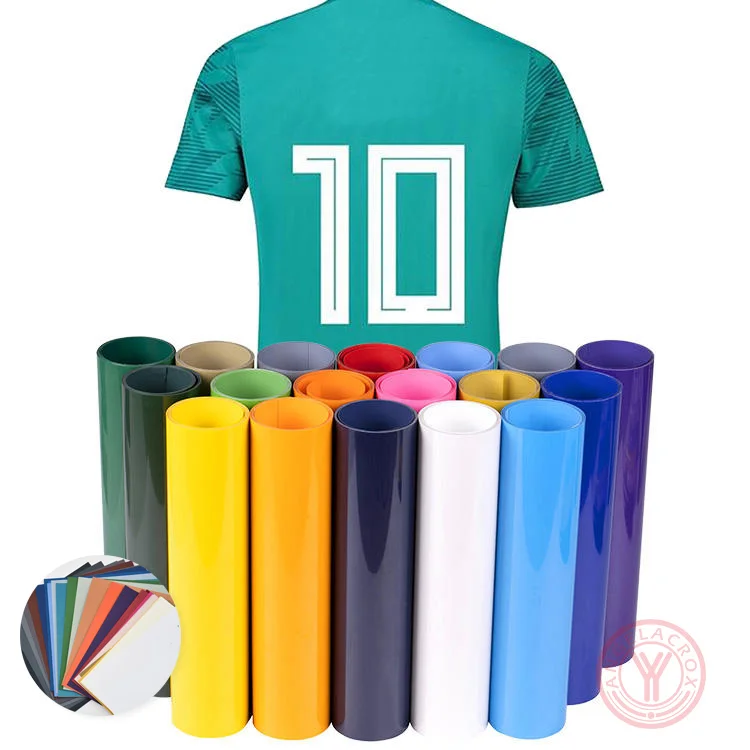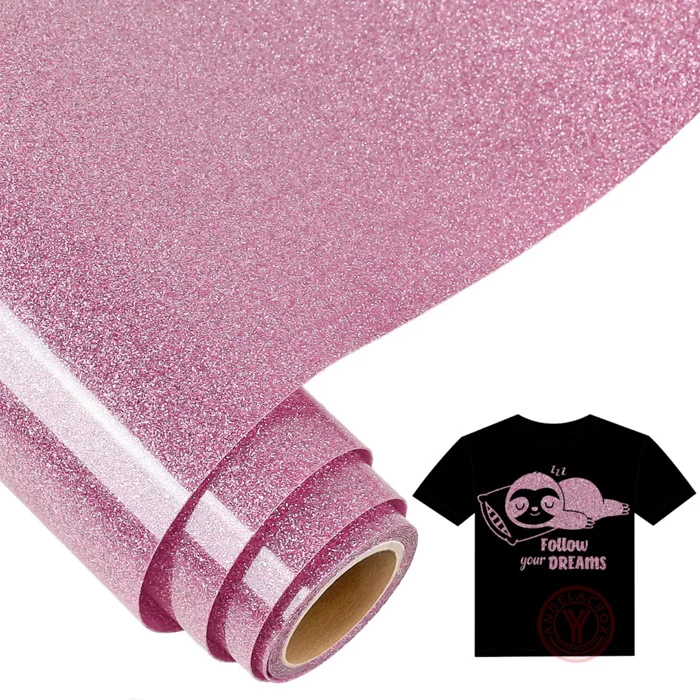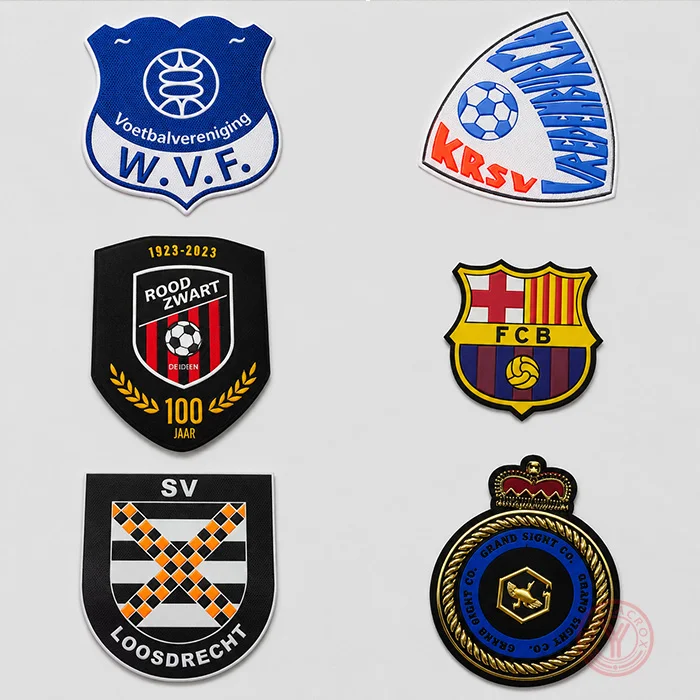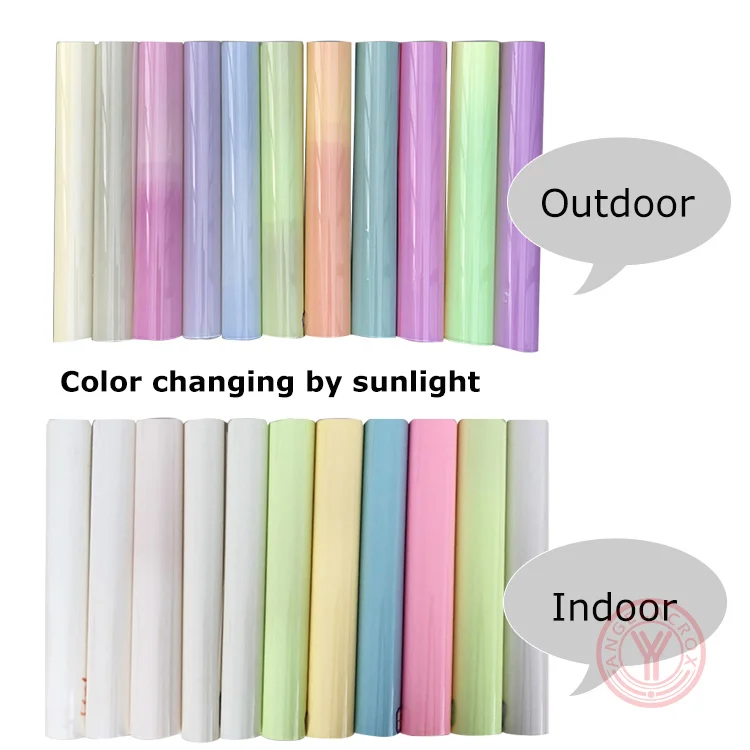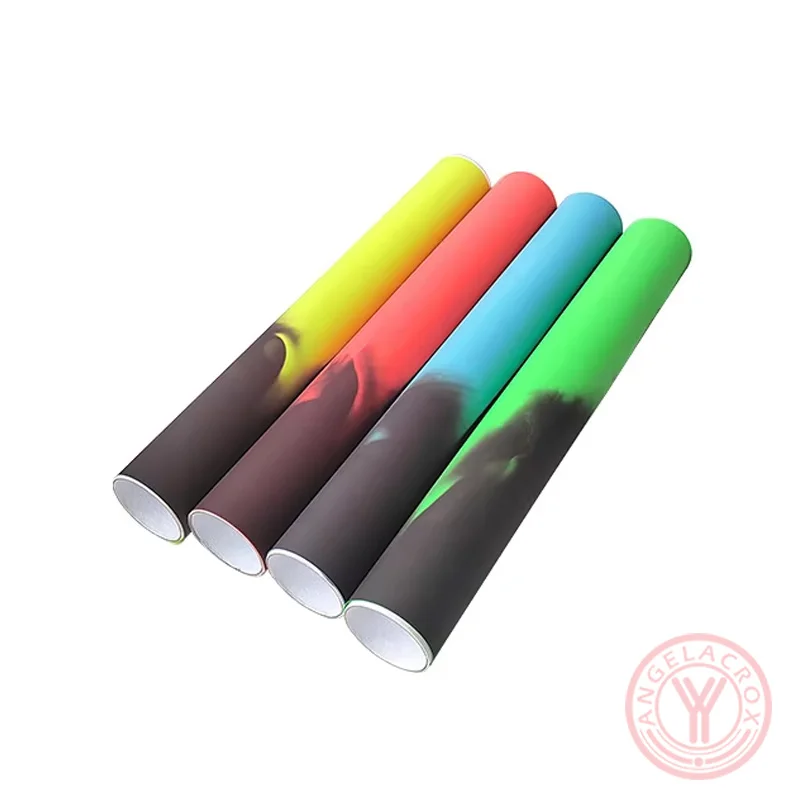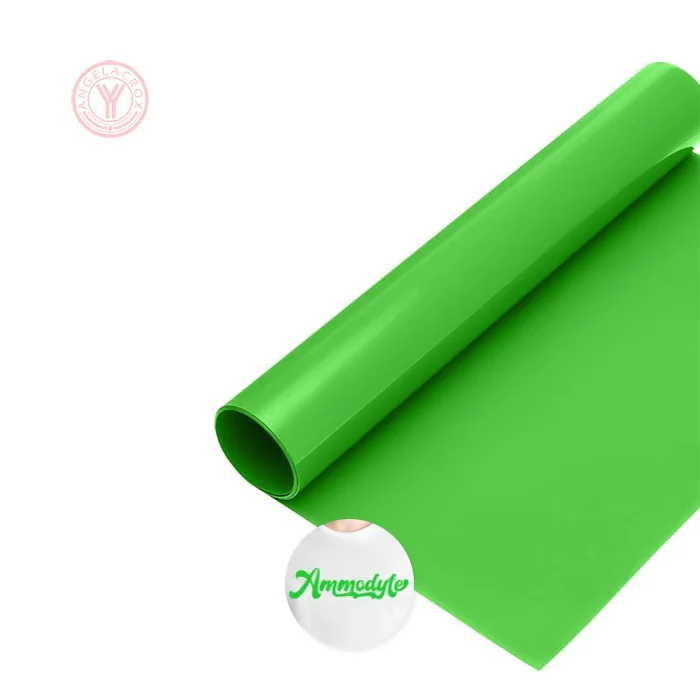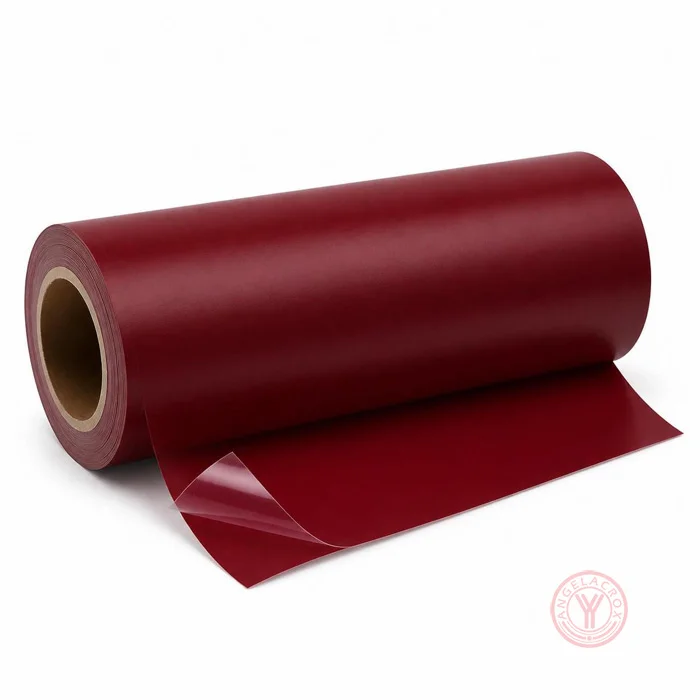
Key Features
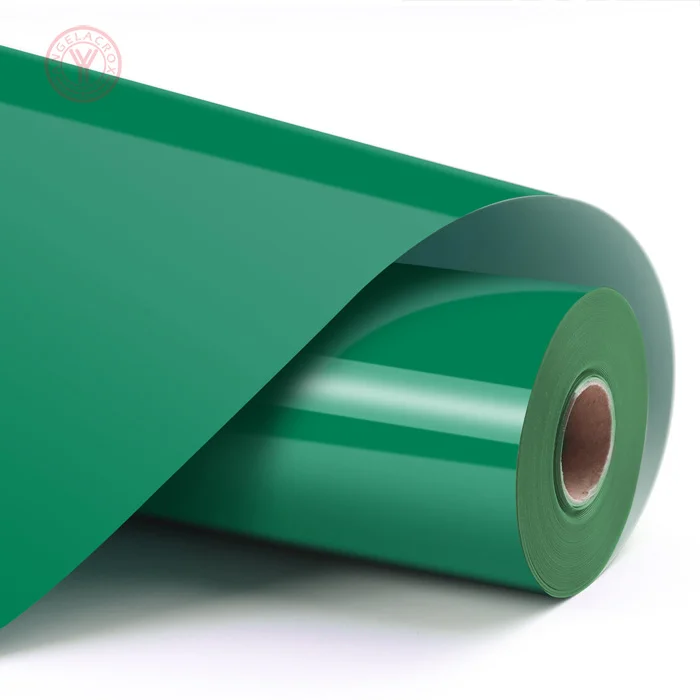
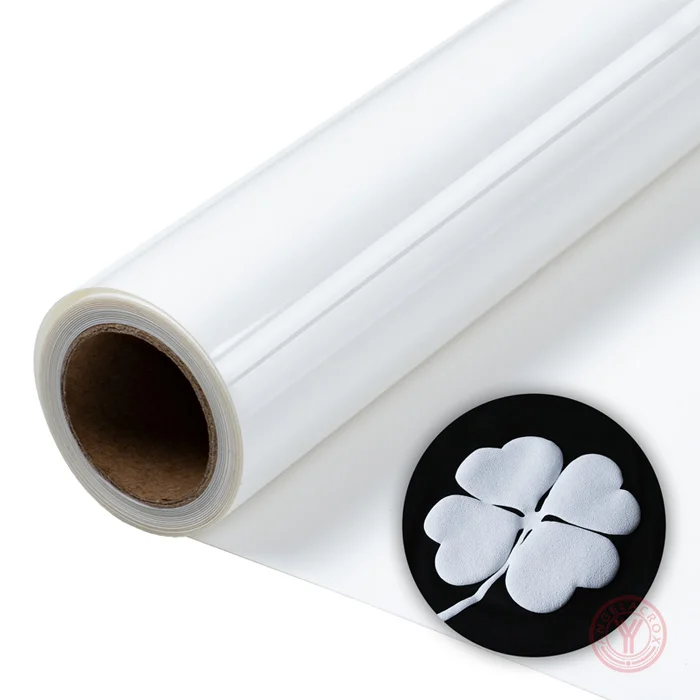
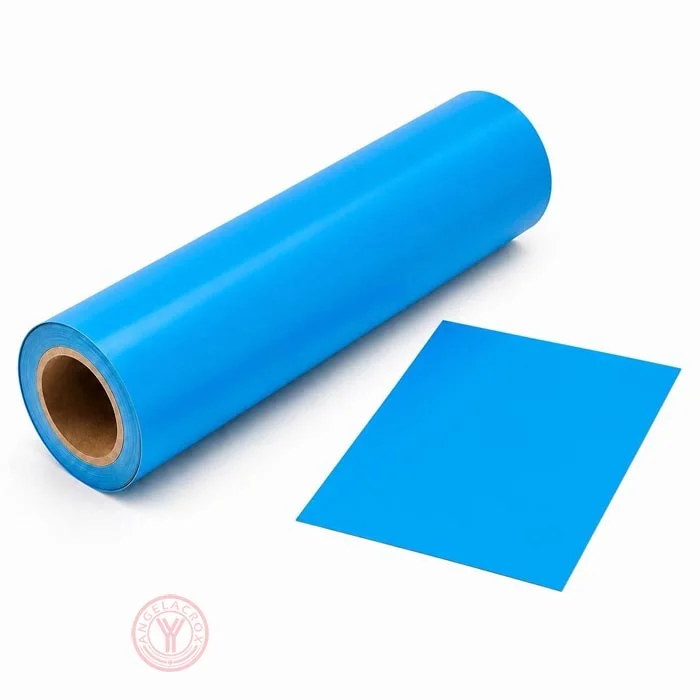
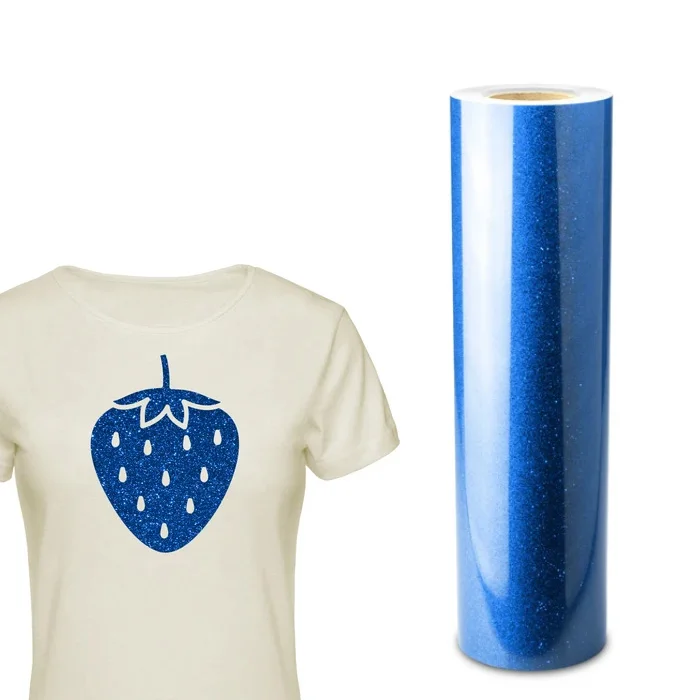
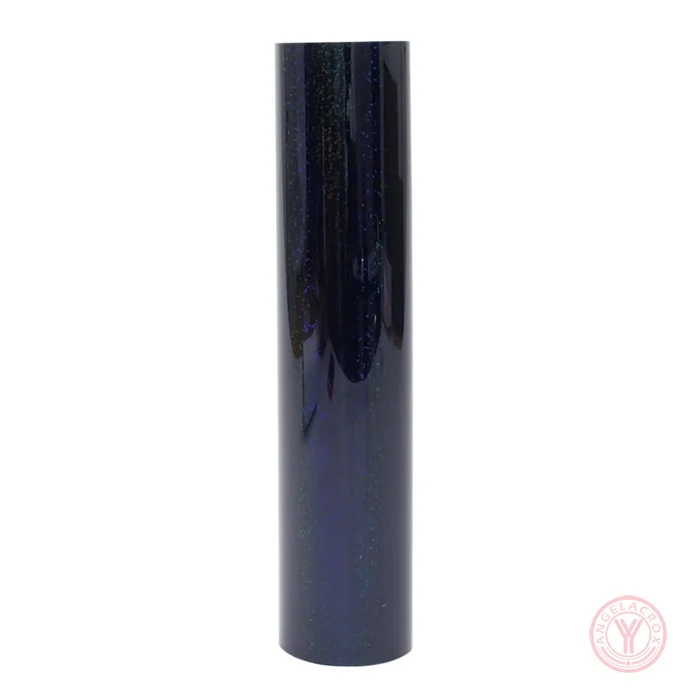
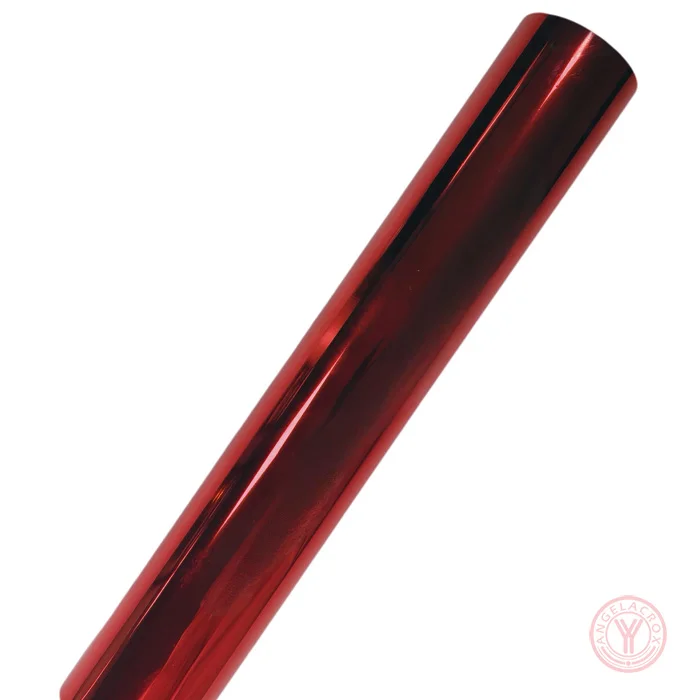
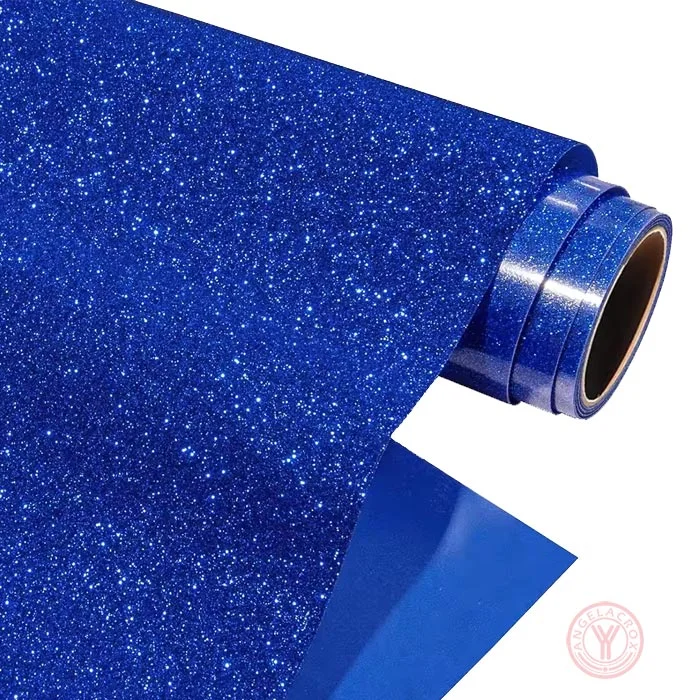
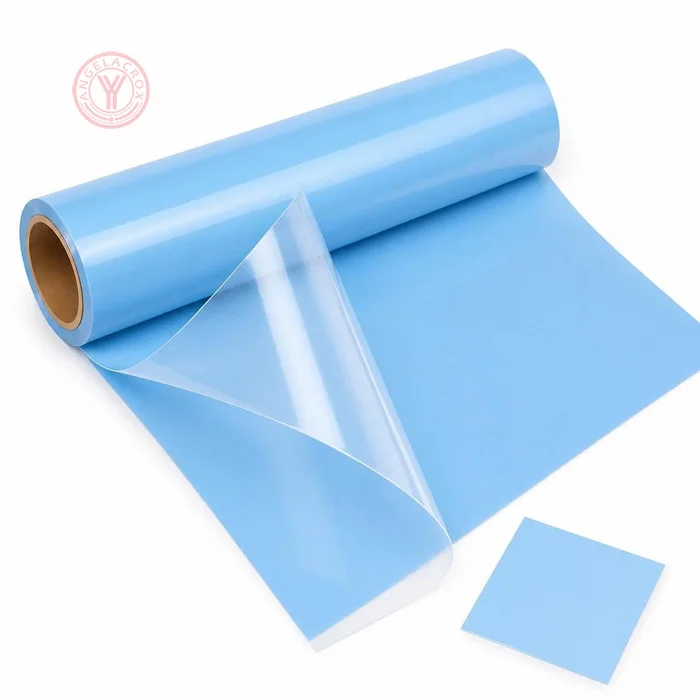
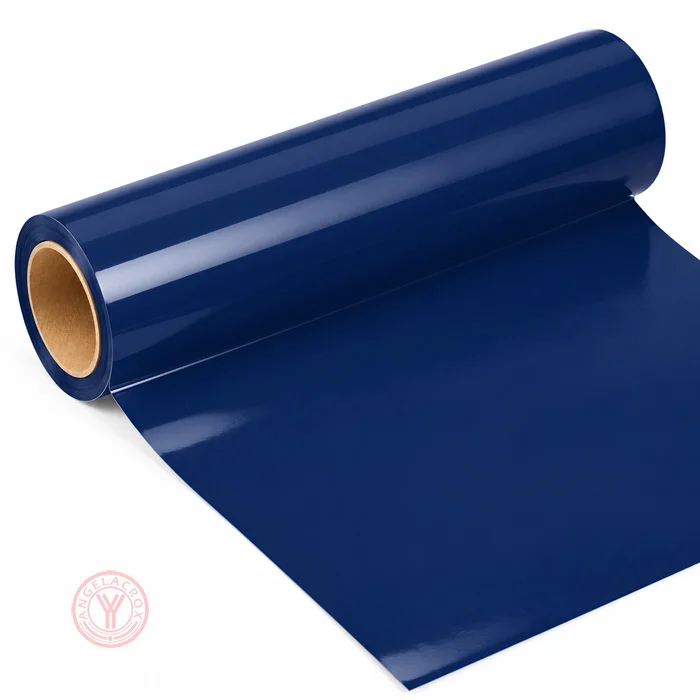
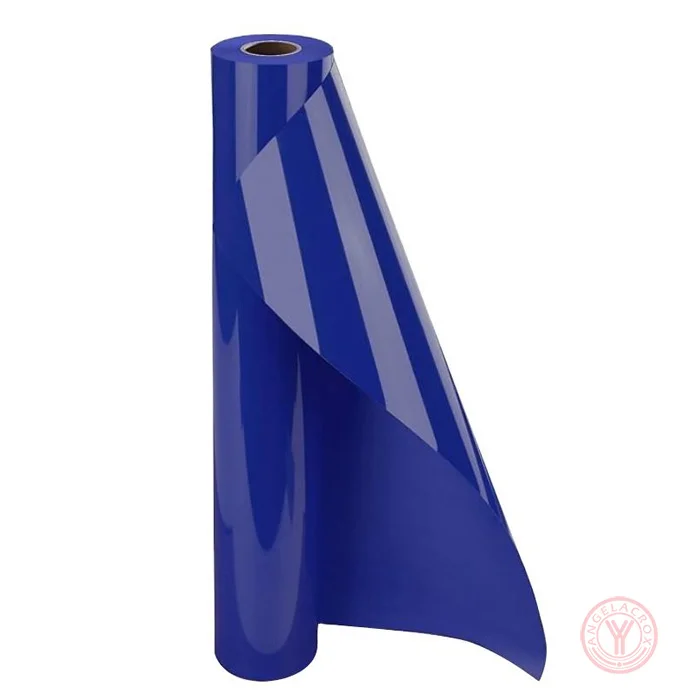
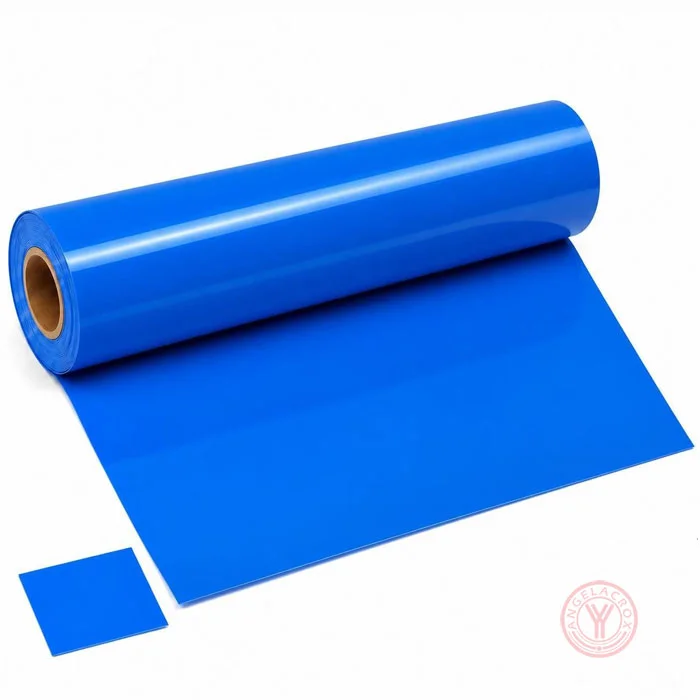
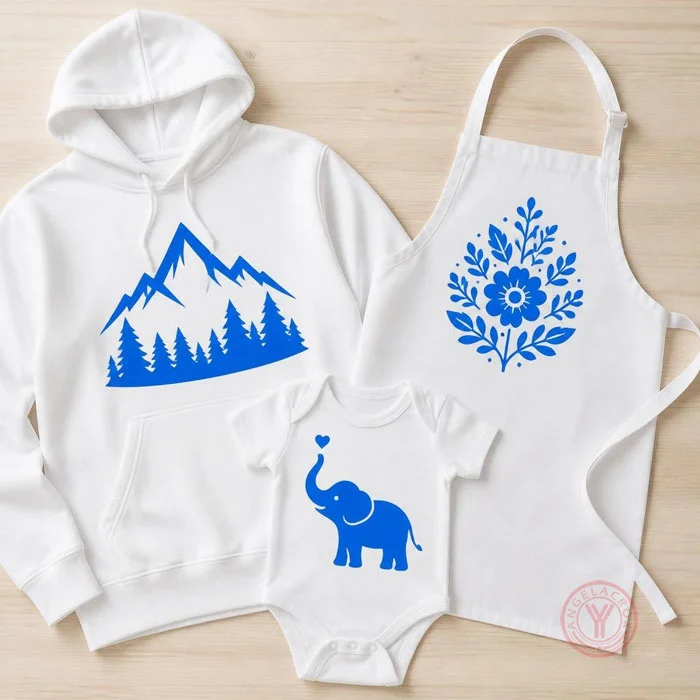
- Vivid Electric Blue: A bold, vibrant blue shade for eye-catching garment designs.
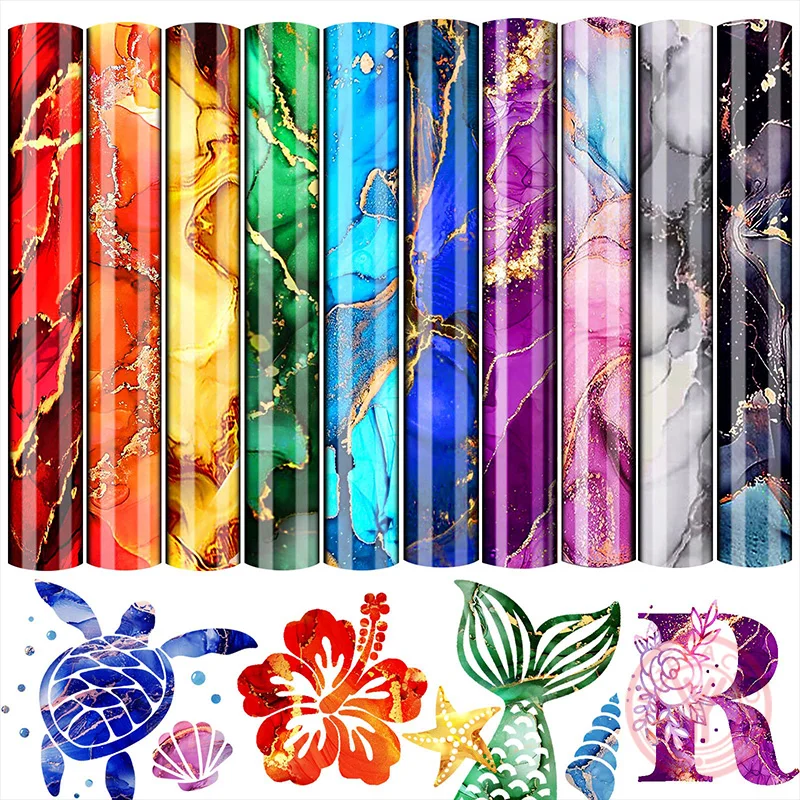
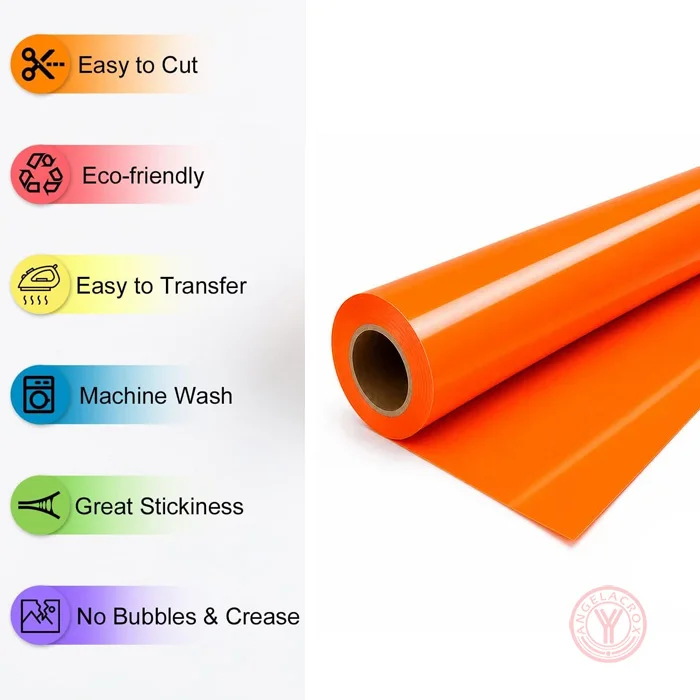
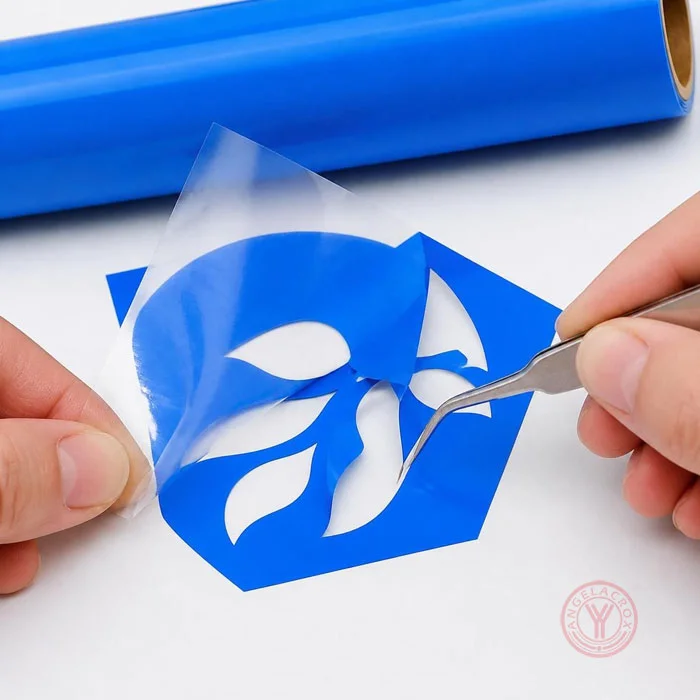
- Easy Cutting & Weeding: Supports clean cutting of custom shapes and easy removal of excess material, suitable for precise lettering, logos, and graphic details.
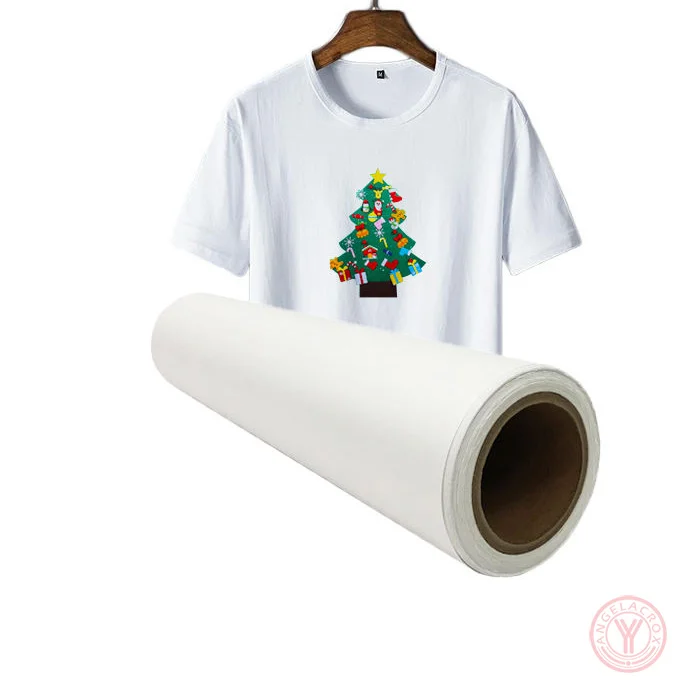
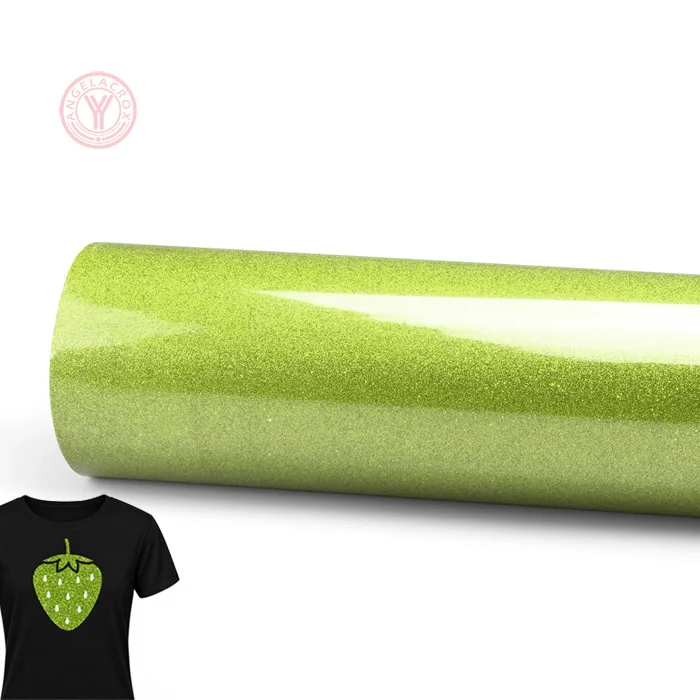
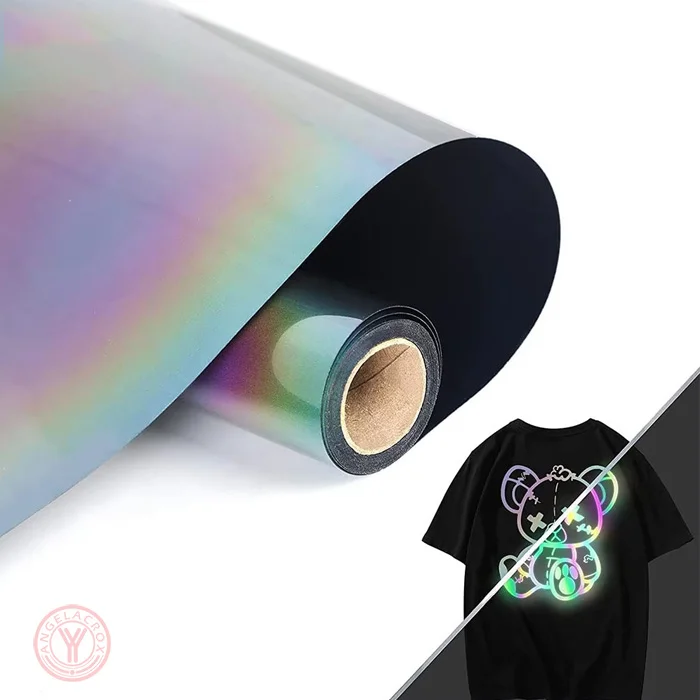
- Fabric Compatibility: Suitable for cotton, polyester, and cotton-polyester blends.
- Machine Compatibility: Compatible with Cricut, Silhouette Cameo, Brother ScanNCut, Roland, and Graphtec cutting machines.
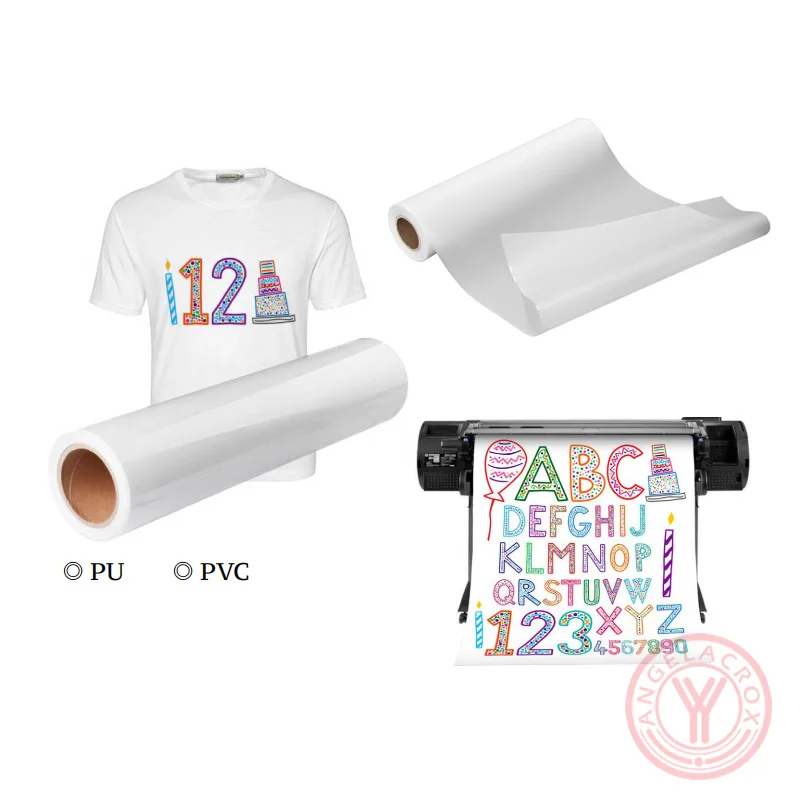
- Flexible Customization: Customize the material, size, thickness, finish, and packaging to meet your product requirements.
Specifications
|
Product Name |
Electric Blue Heat Transfer Vinyl (HTV) |
|
Material |
TPU, PU, PVC, Silicone |
|
Color |
Electric Blue |
|
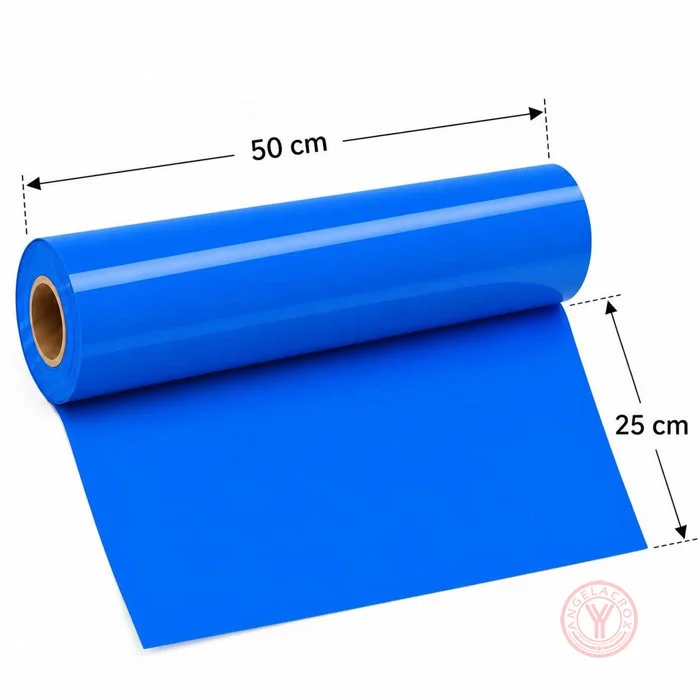
Size |
50cm*25m/Roll;Customizable |
|
Thickness |
0.08 - 1mm;Customizable |
|
Finish |
Matte / Glossy; Customizable |
|
Transfer Temperature |
140 ~ 145℃ |
|
Transfer Time |
8 - 10s |
|
Pressure |
3–5 kg; Medium pressure |
|
Peel Method |
Warm Peeling |
|
MOQ |
1 Roll |
|
Sample |
Free Samples |
Note: Cutting, transfer, and fabric compatibility depend on the selected material. Please confirm the exact specifications before ordering.
How to Use Electric Blue HTV
- 1. Create Your Design: Prepare your logo, lettering, or graphic using compatible design software.
- 2. Cut the Vinyl: Load the HTV into a compatible cutting machine and cut the design according to the material requirements.
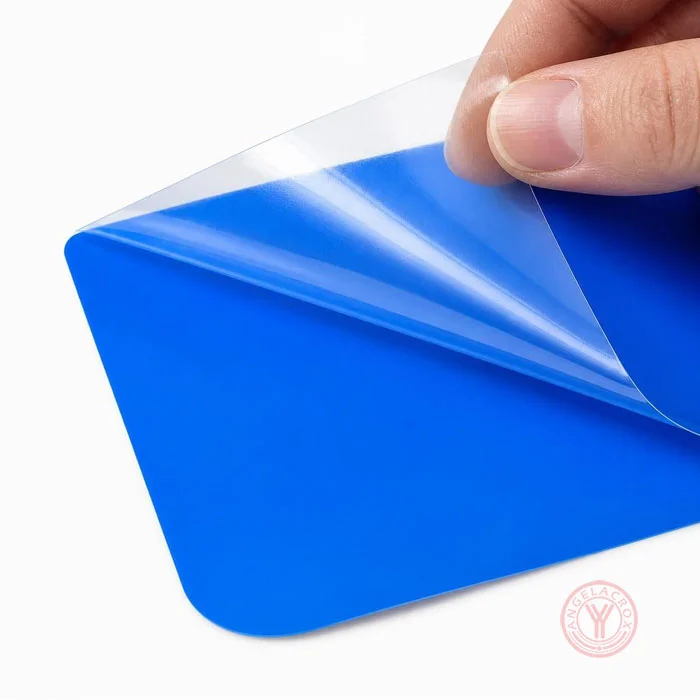
- 3. Weed the Design: Remove excess vinyl, leaving the desired design on the carrier film.
- 4. Pre-Press the Fabric: Press the garment for 2–3 seconds to remove wrinkles and moisture.
- 5. Apply Heat: Position the design on the fabric and use the recommended temperature, pressure, and pressing time for the selected material.
- 6. Warm Peel: Allow the transfer to cool slightly until warm, then peel the carrier film slowly and evenly.
- 7. Check the Transfer: Ensure the design is securely bonded to the fabric before handling or further processing.
Note: Pressing settings vary among TPU, PU, PVC, and silicone HTV. Test a sample first and follow the specifications for your selected material.