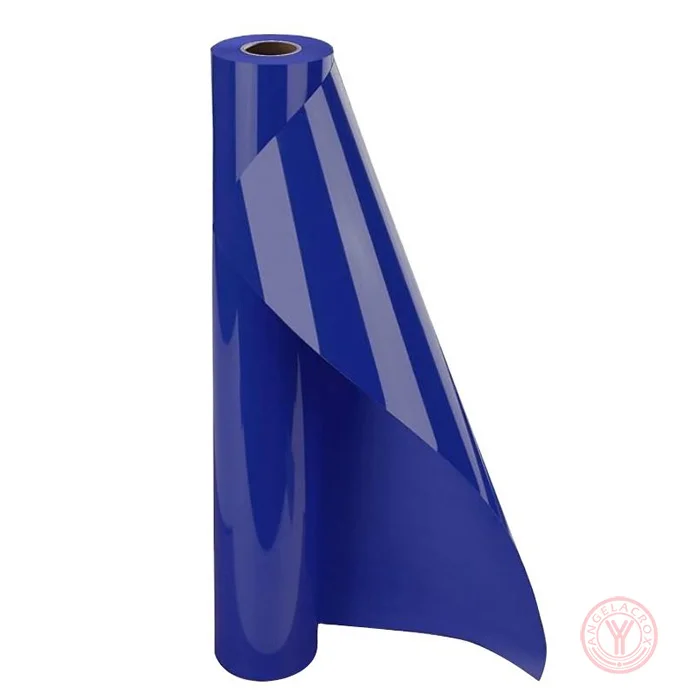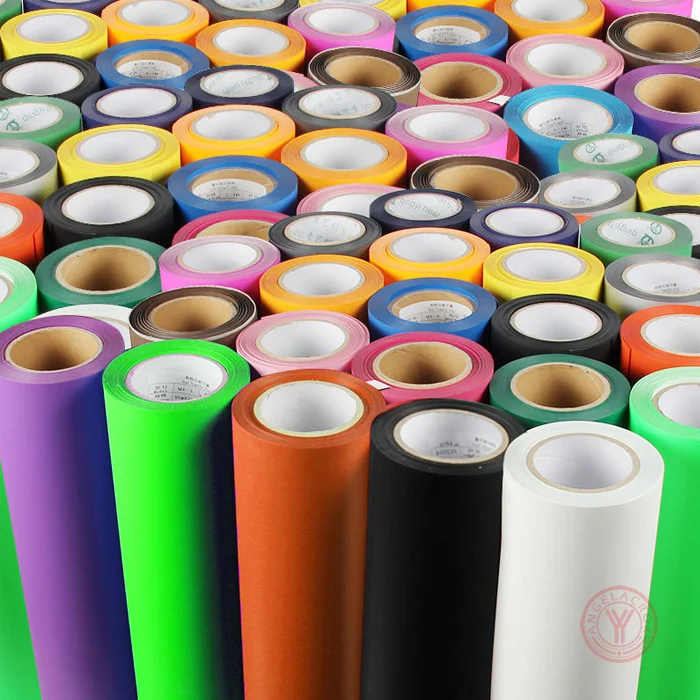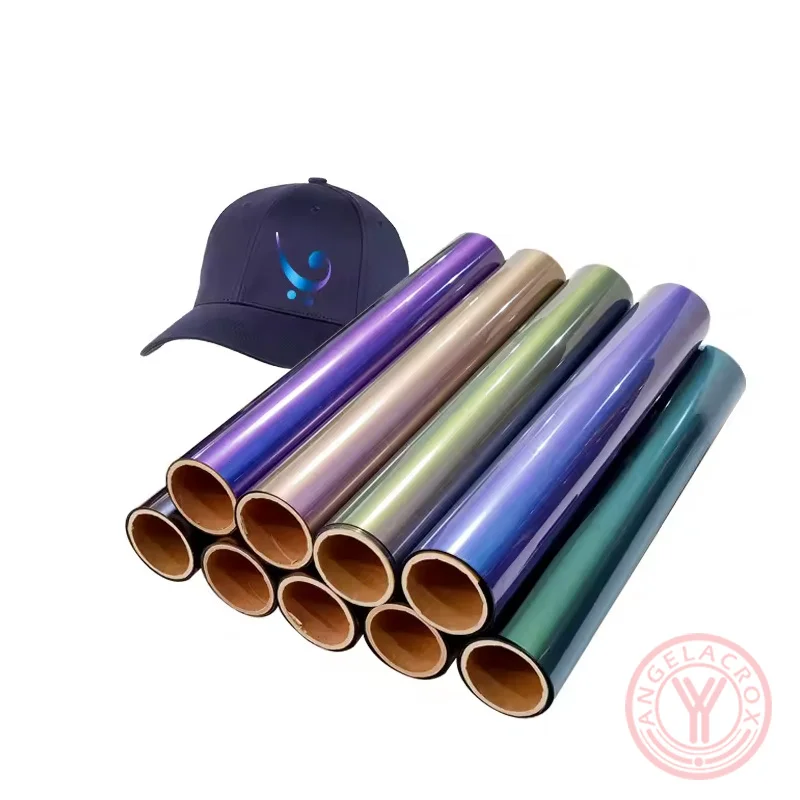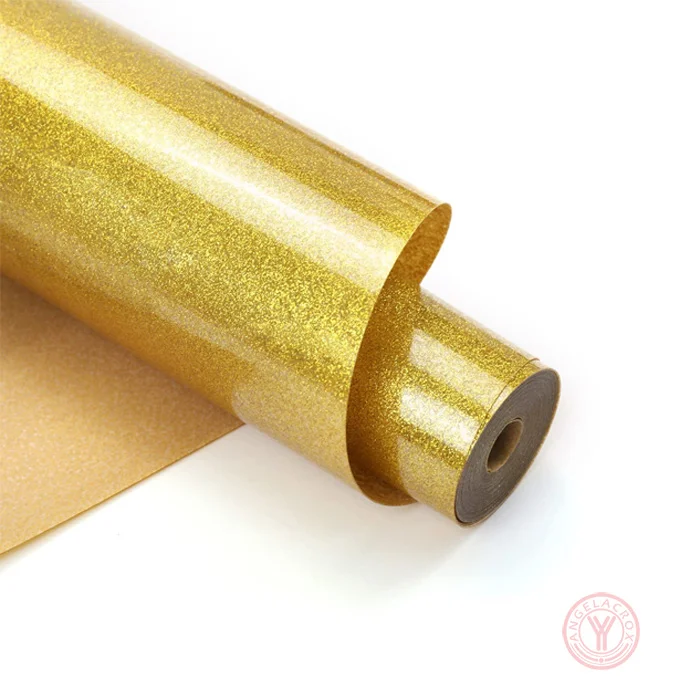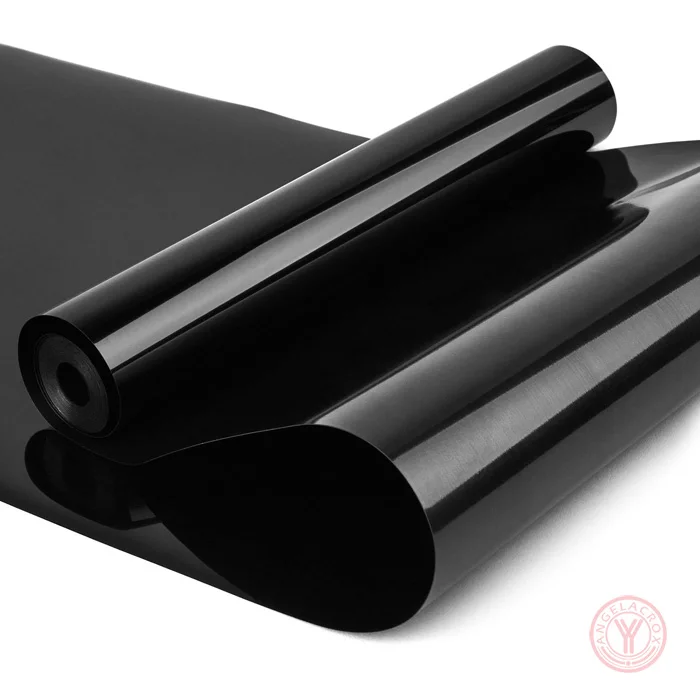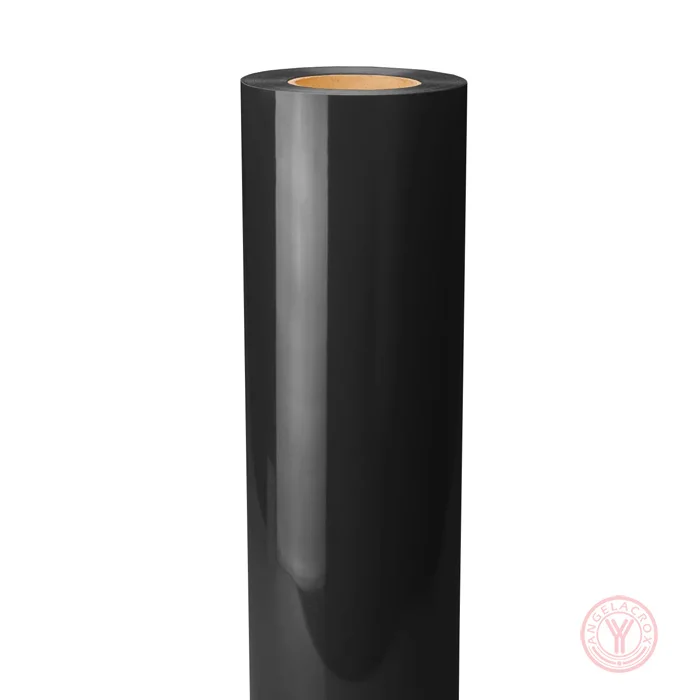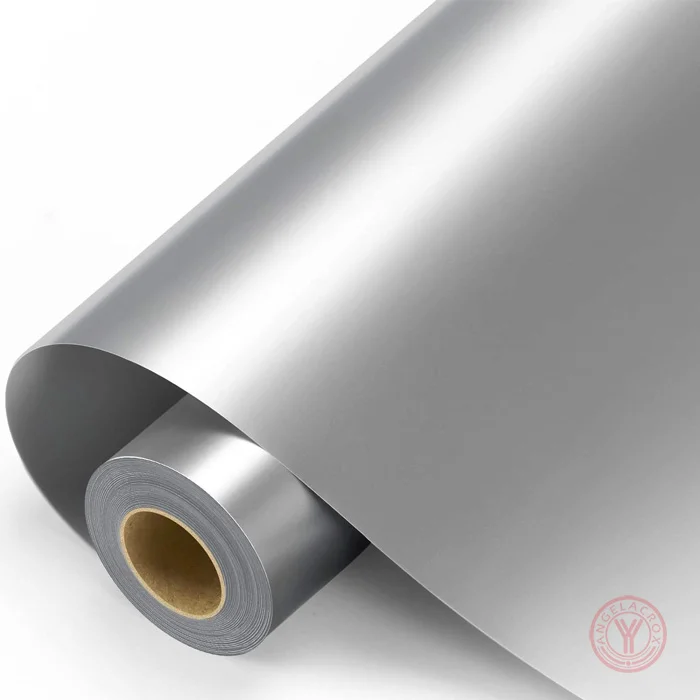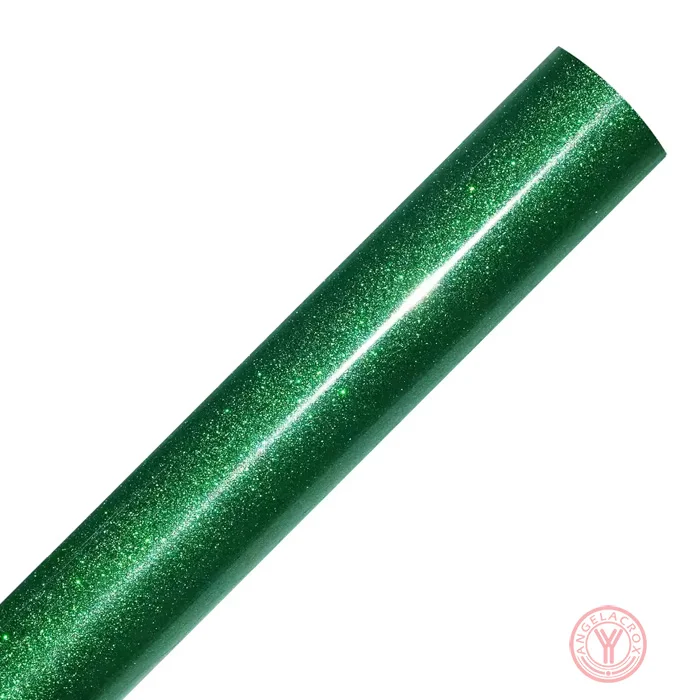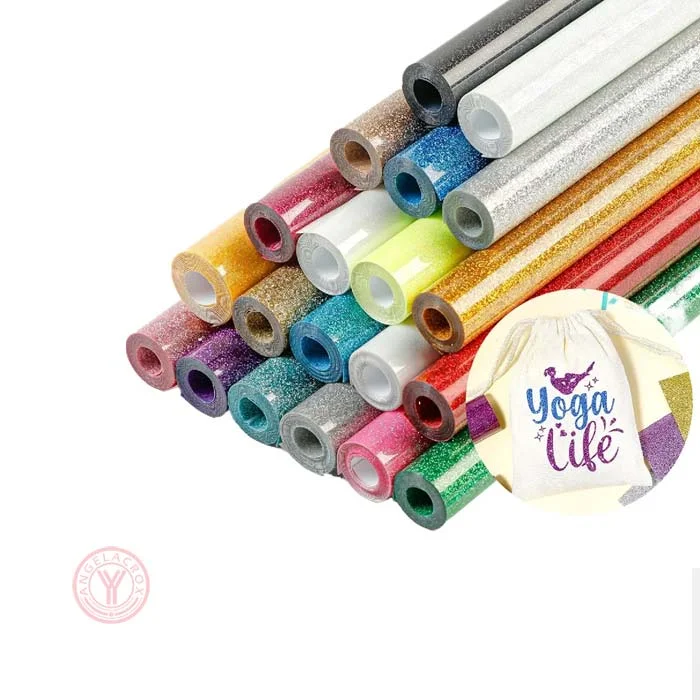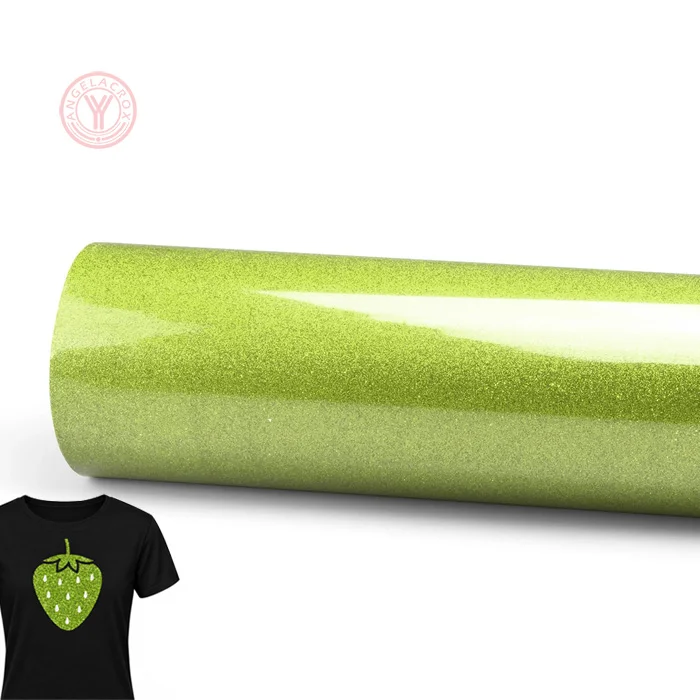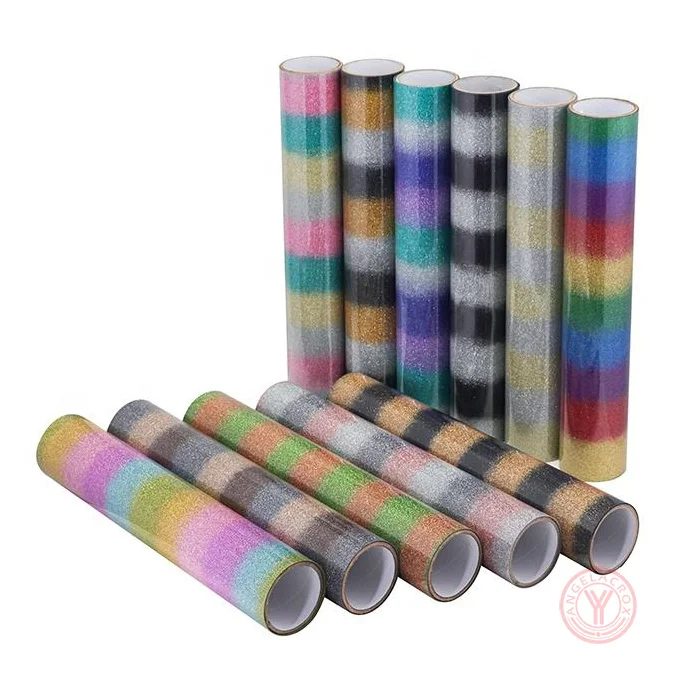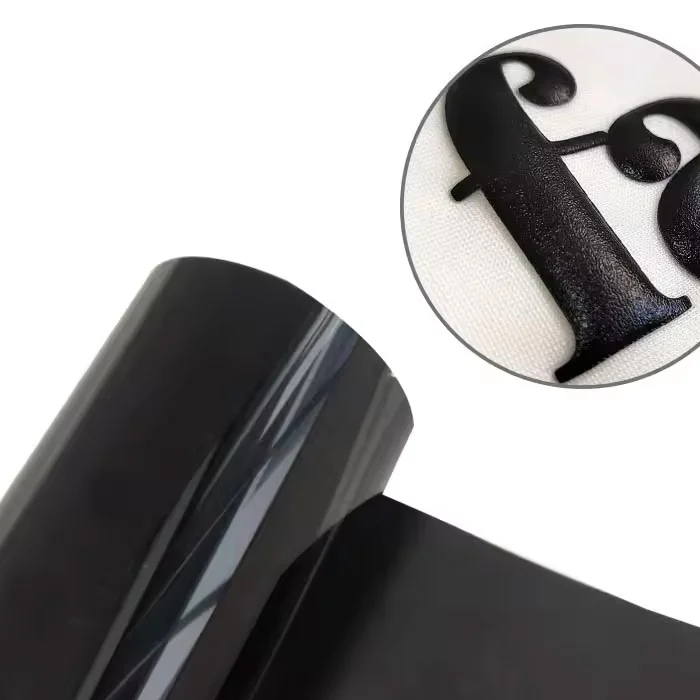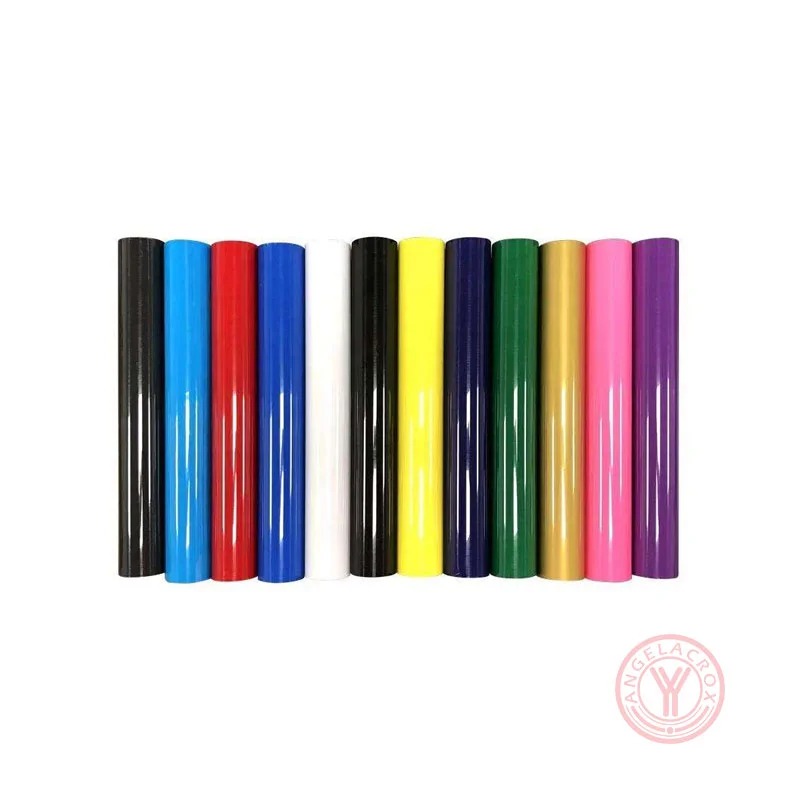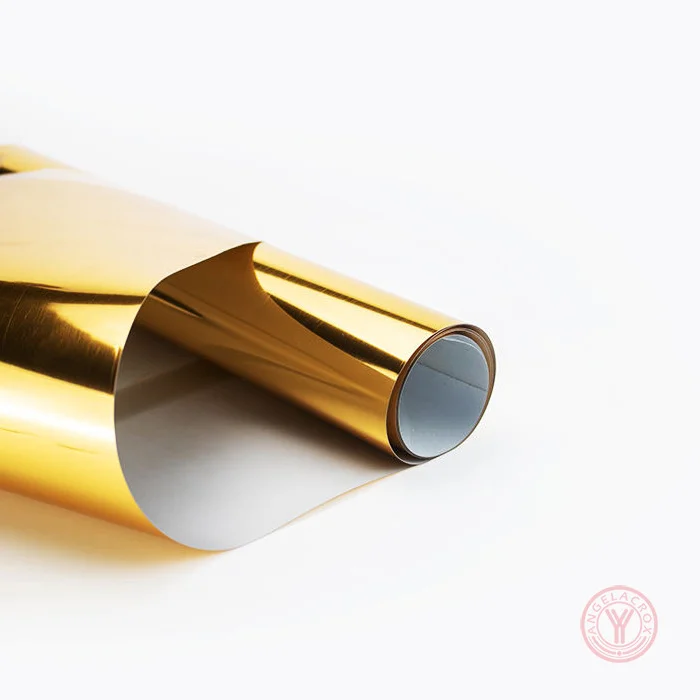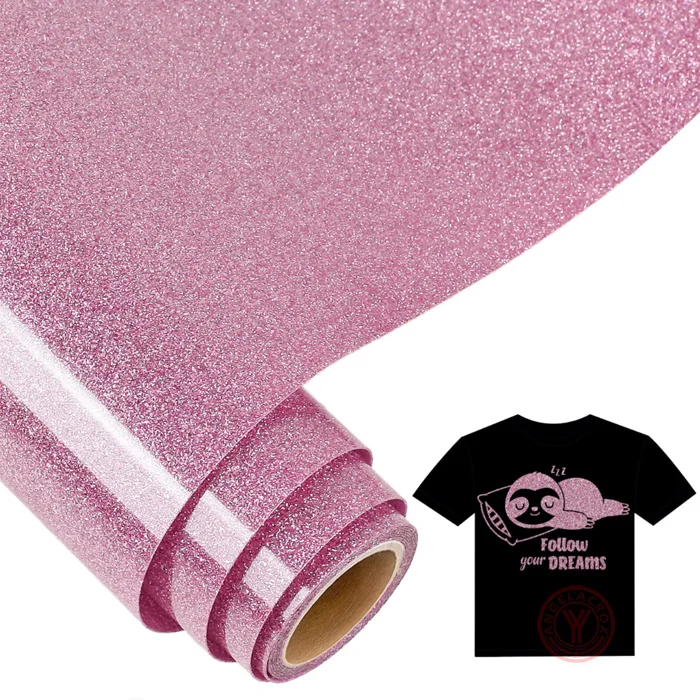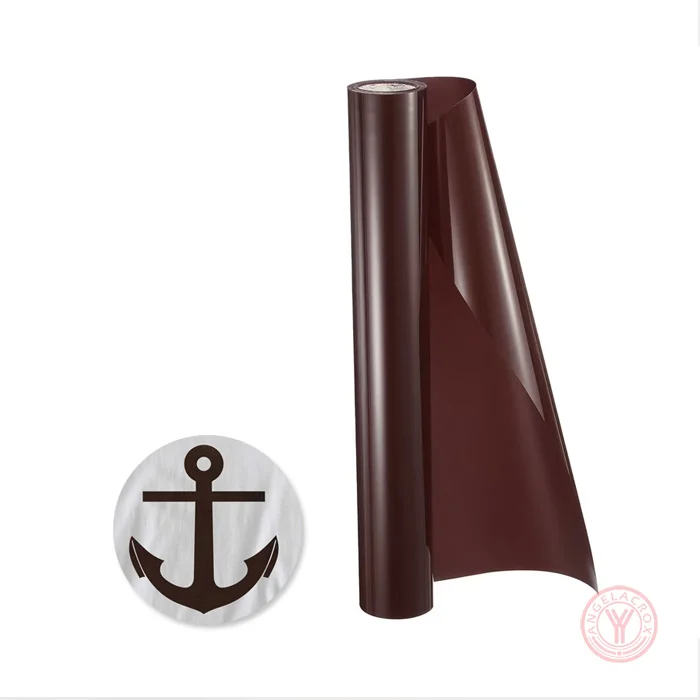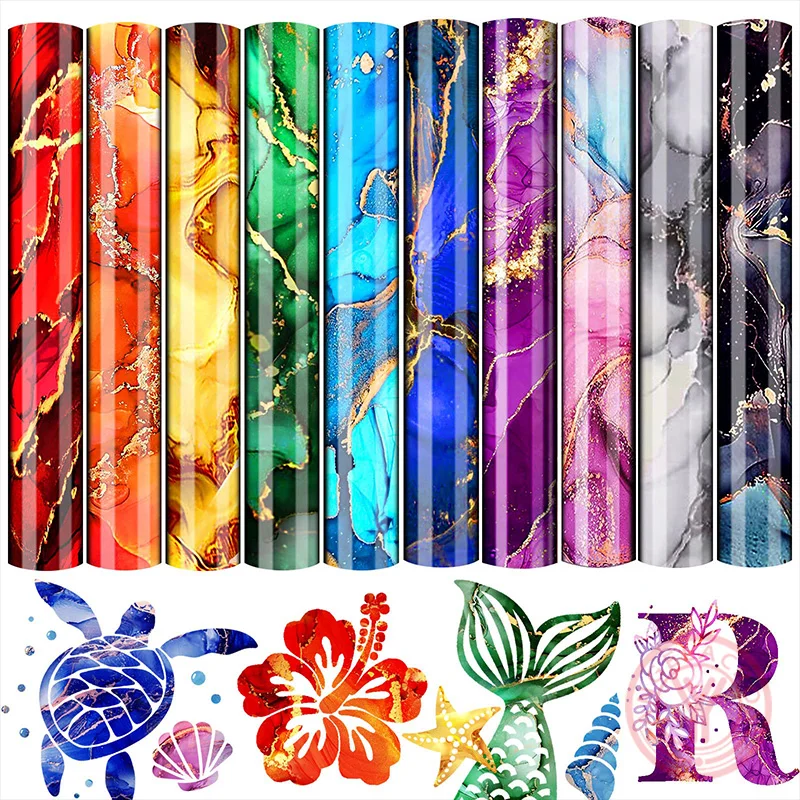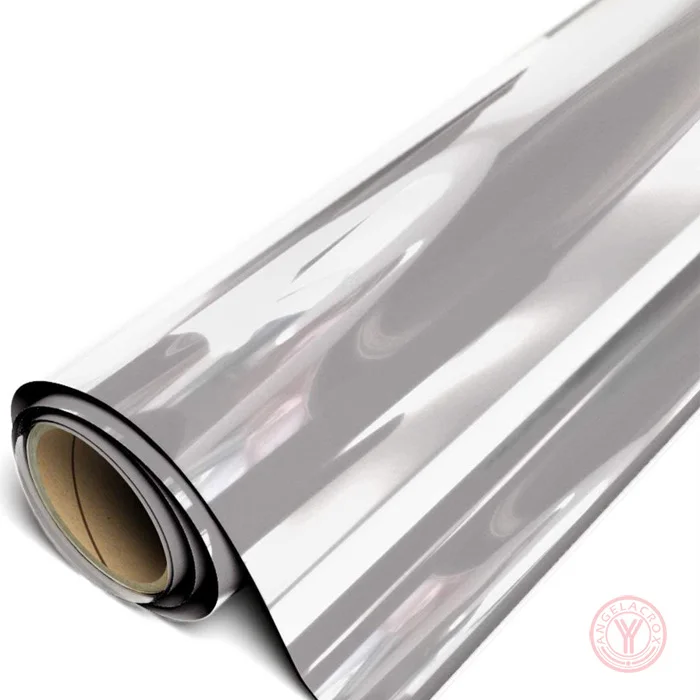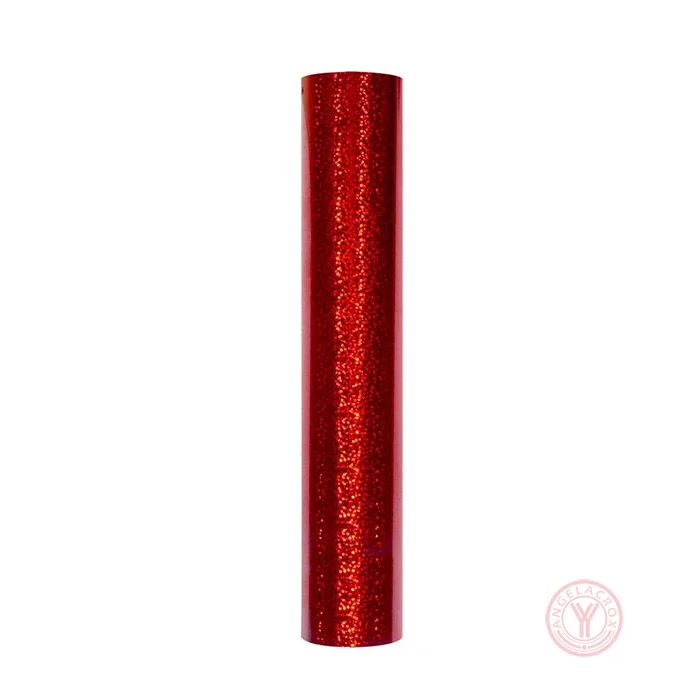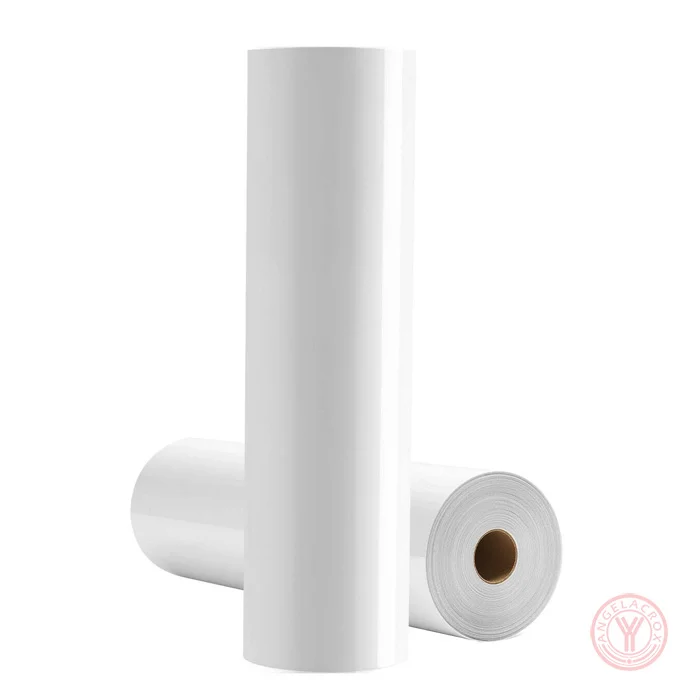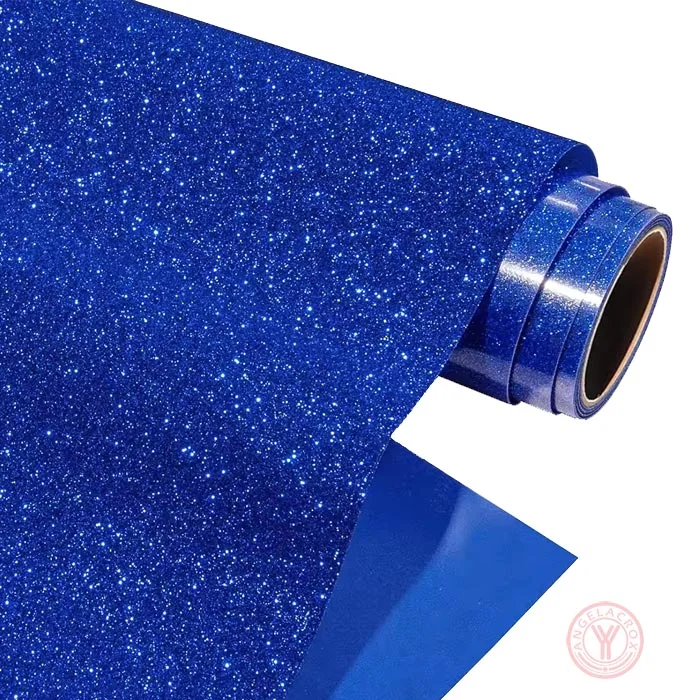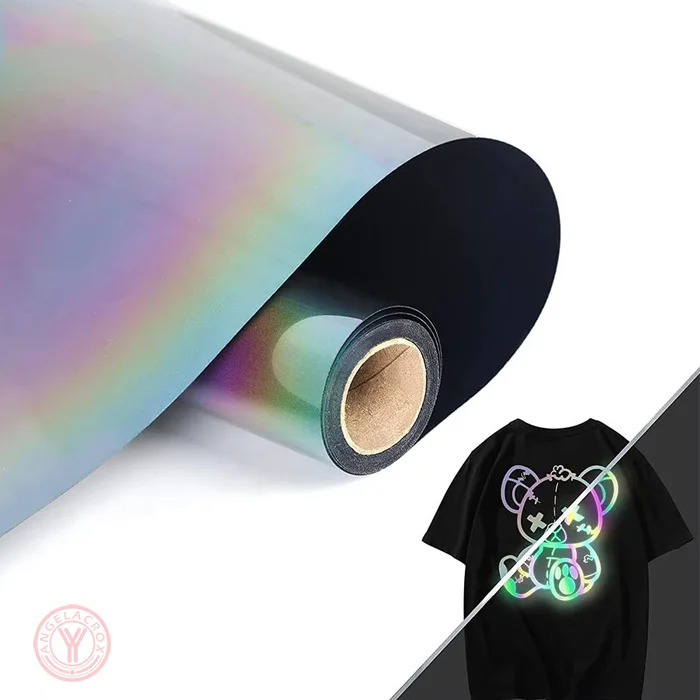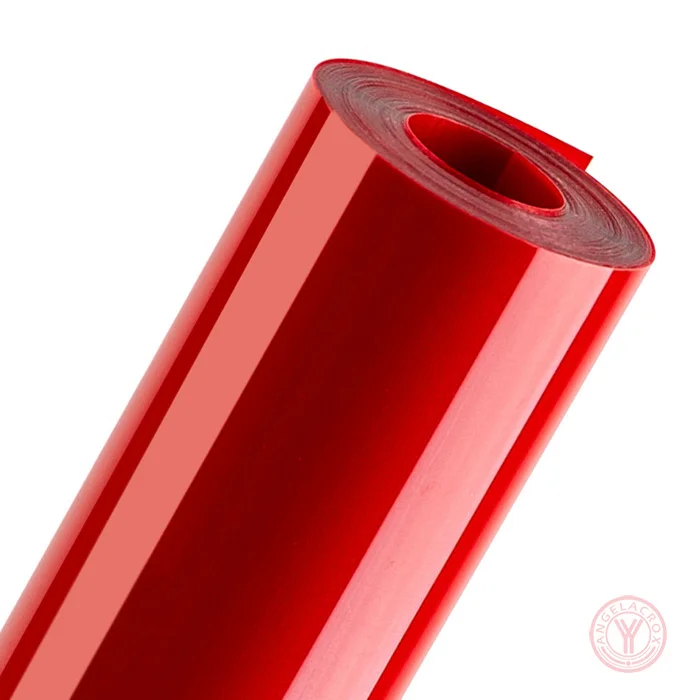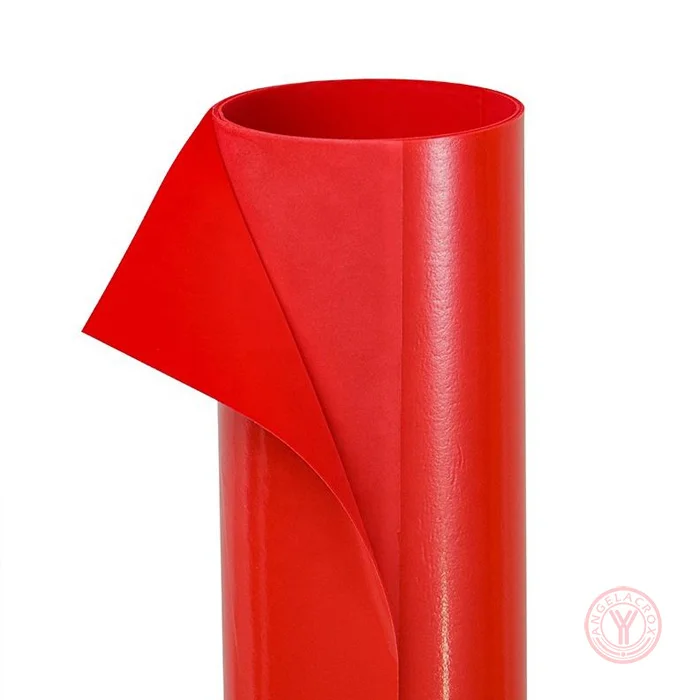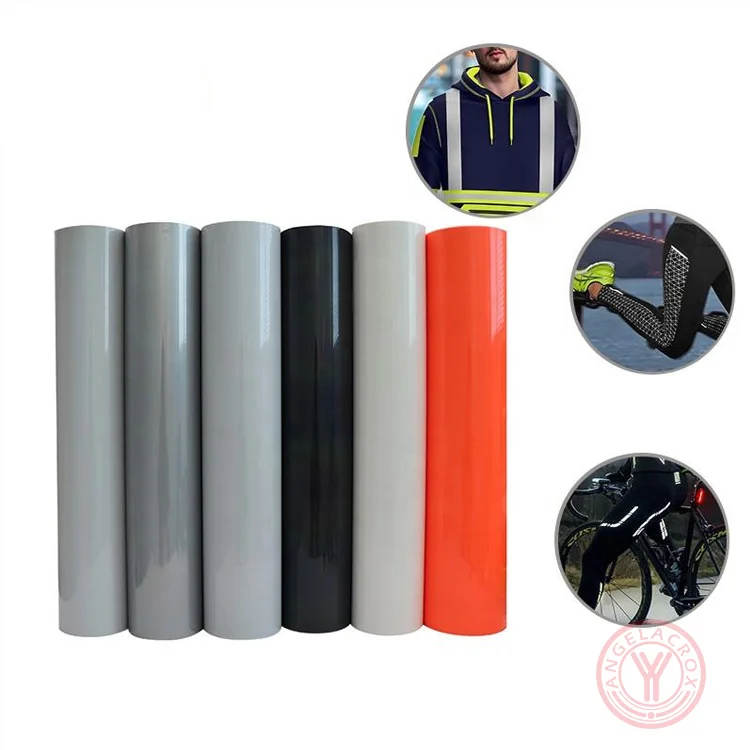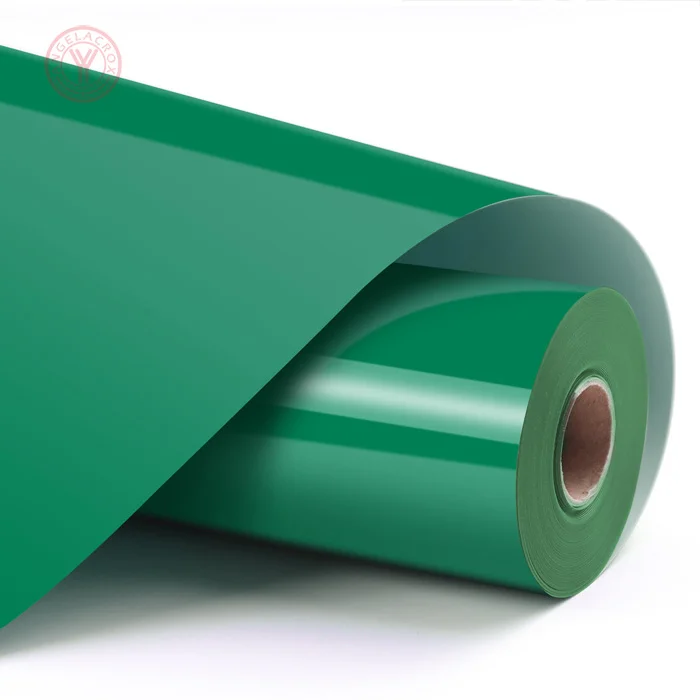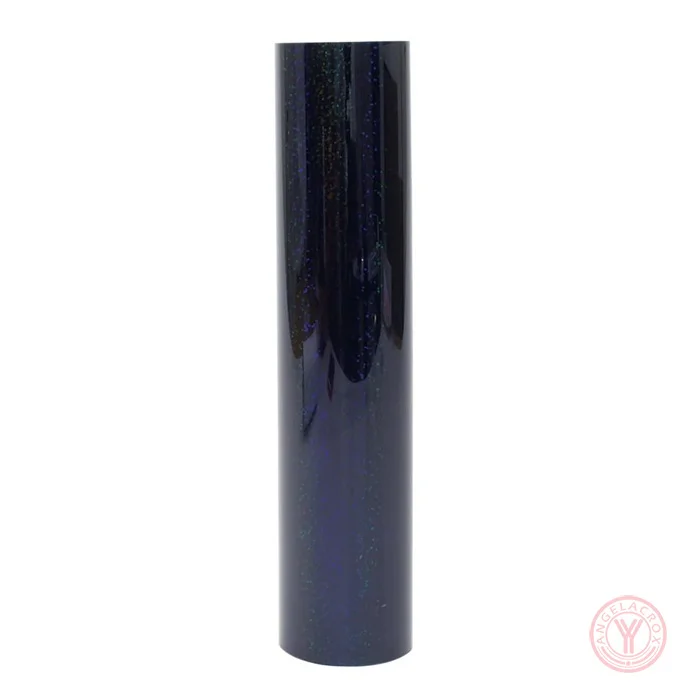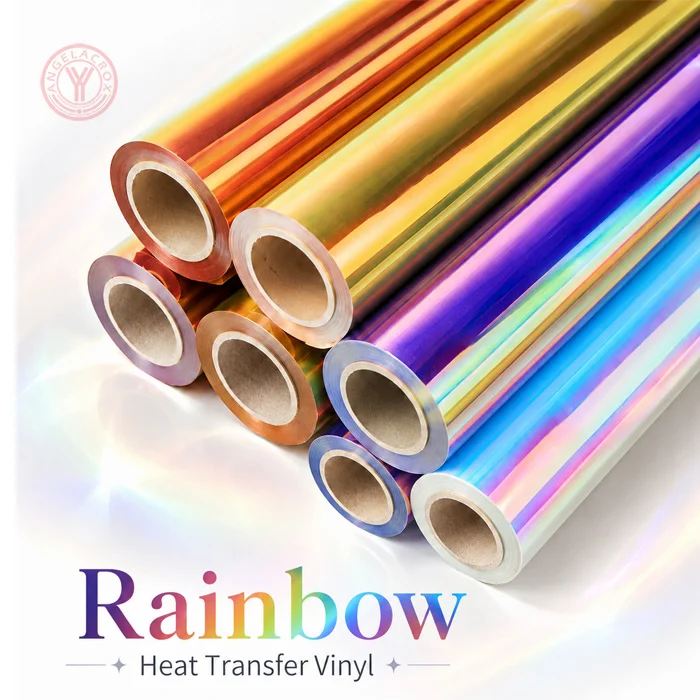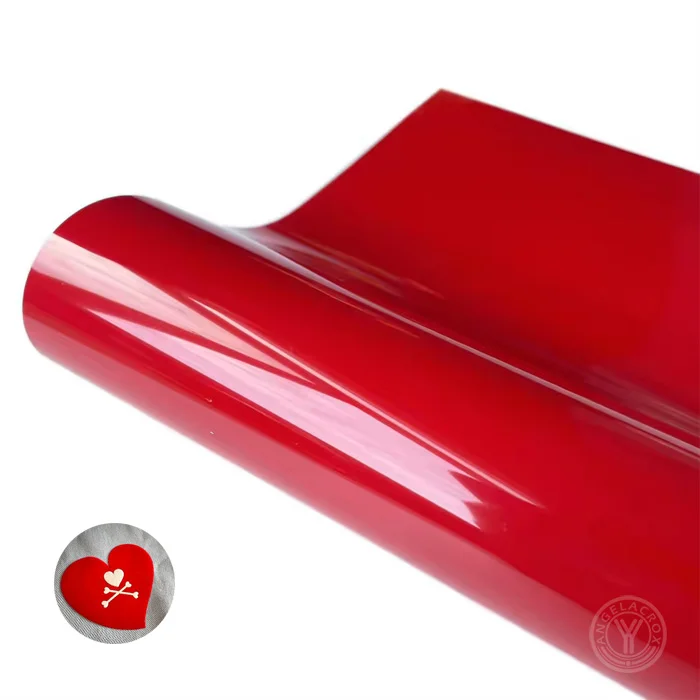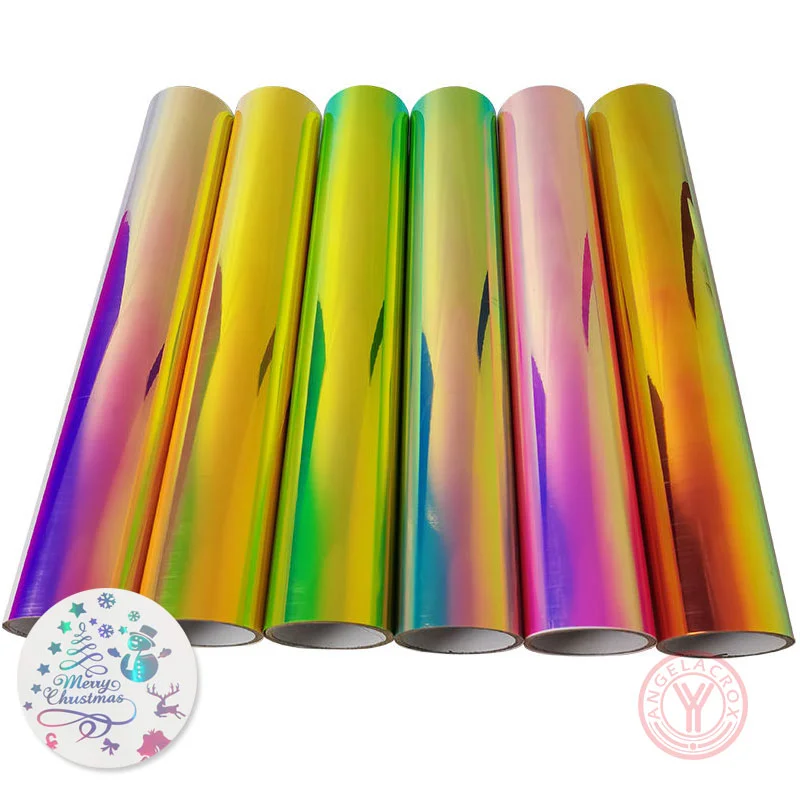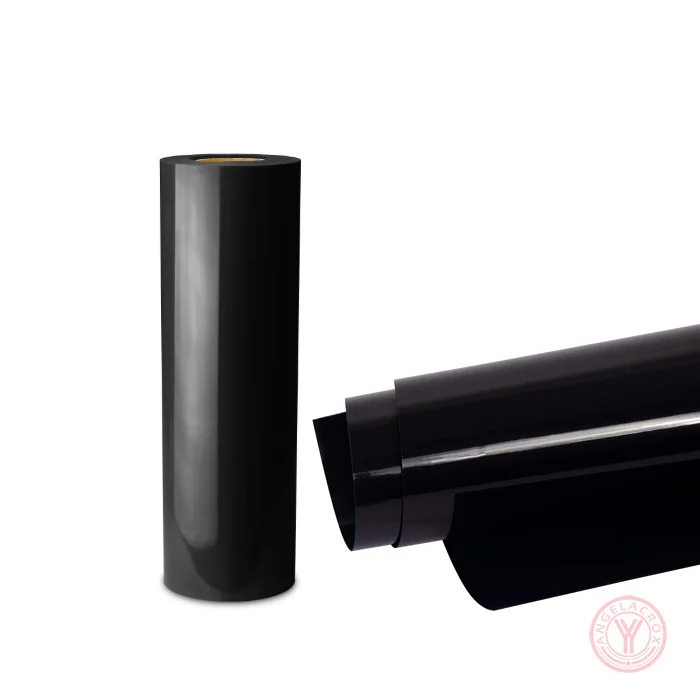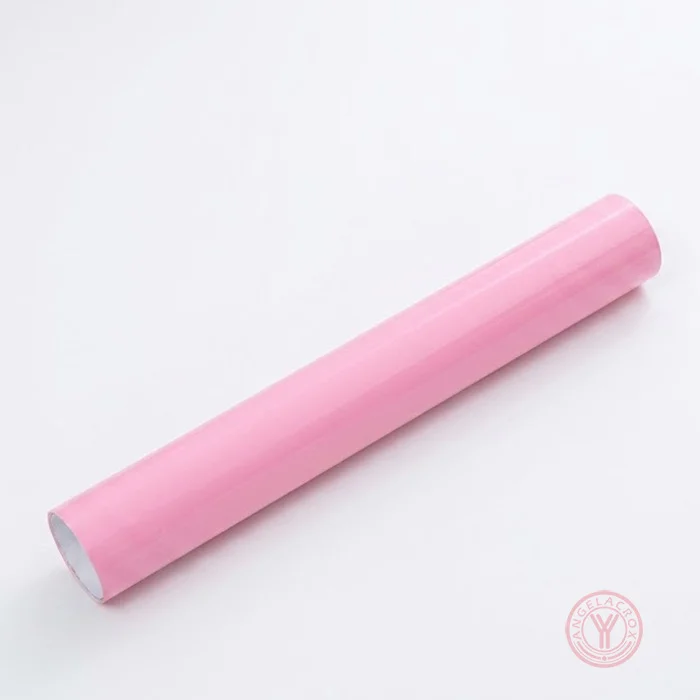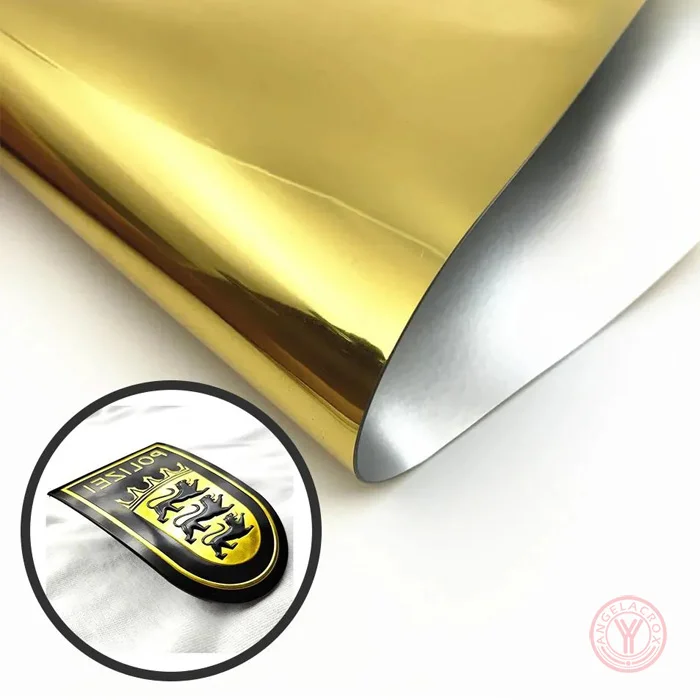
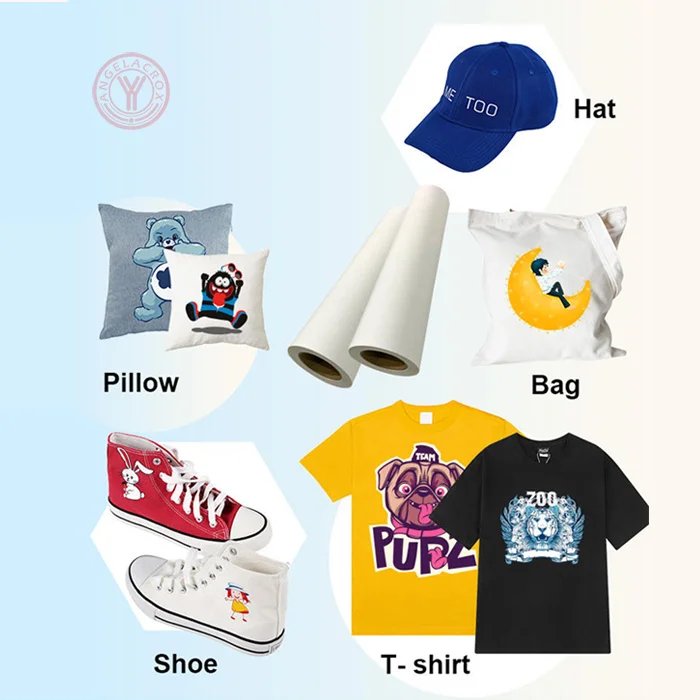
Description
Send Inquiry
Key Features
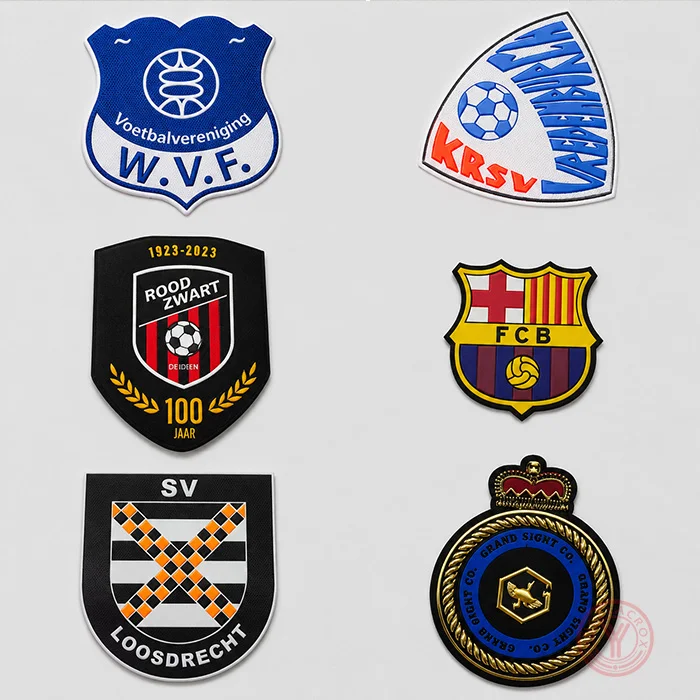
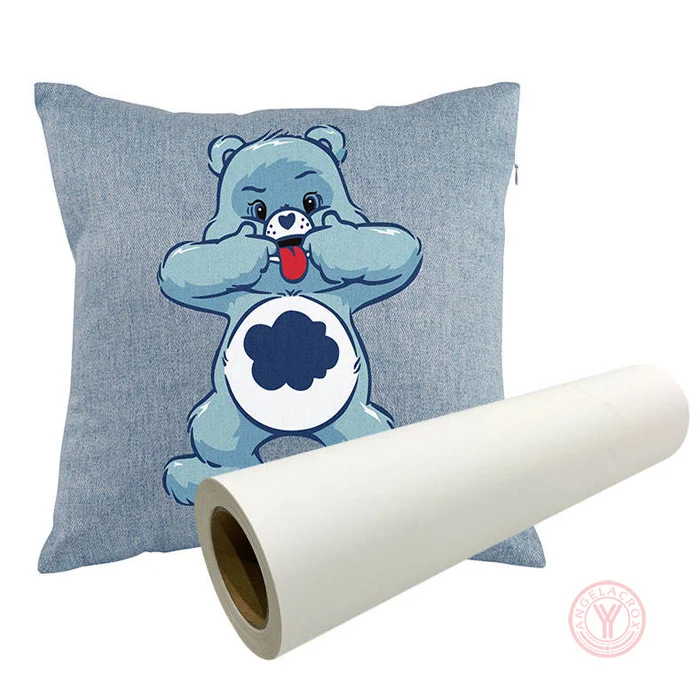
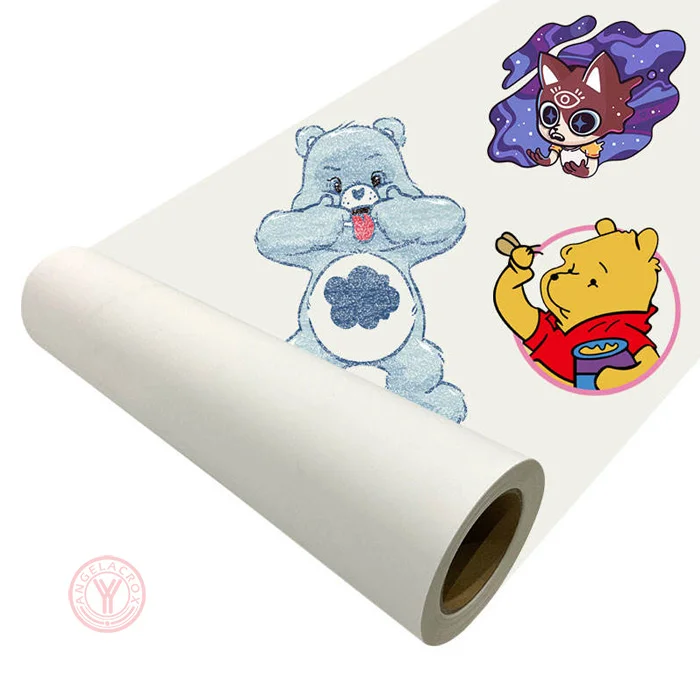
- Vivid Print Results: Reproduces colorful designs, fine details, and custom graphics.
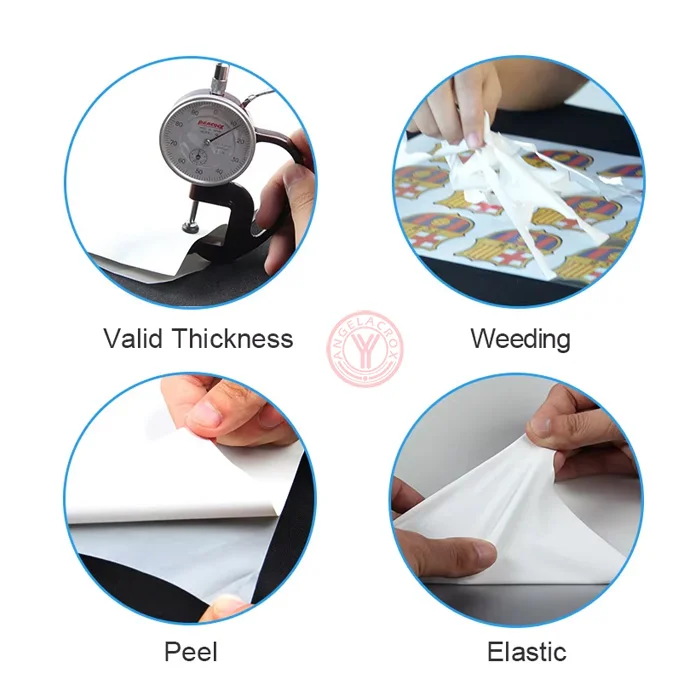
- Print & Cut Ready: Clean contour cutting with easy weeding.
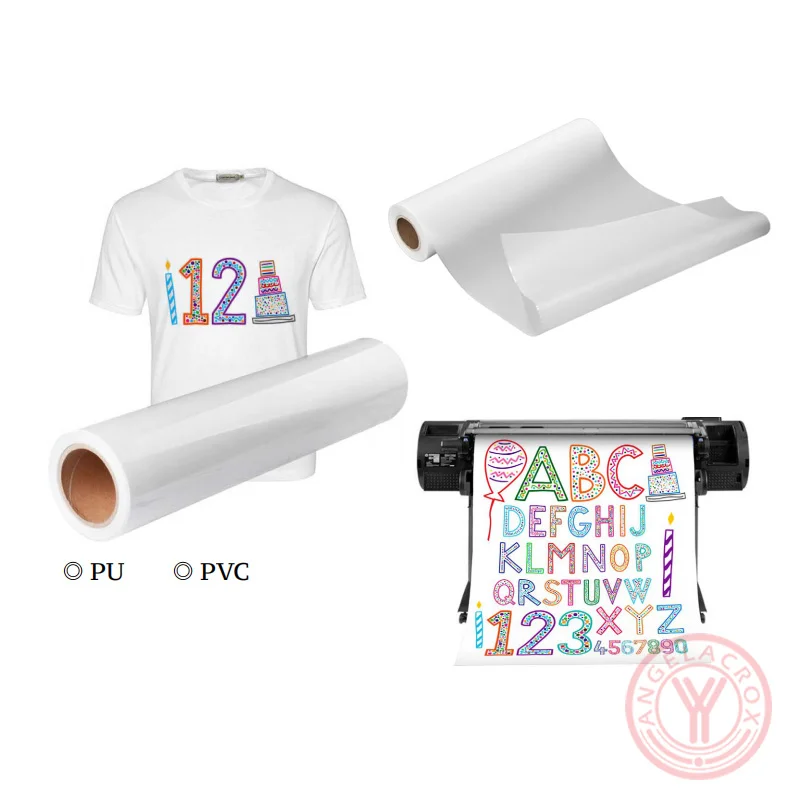
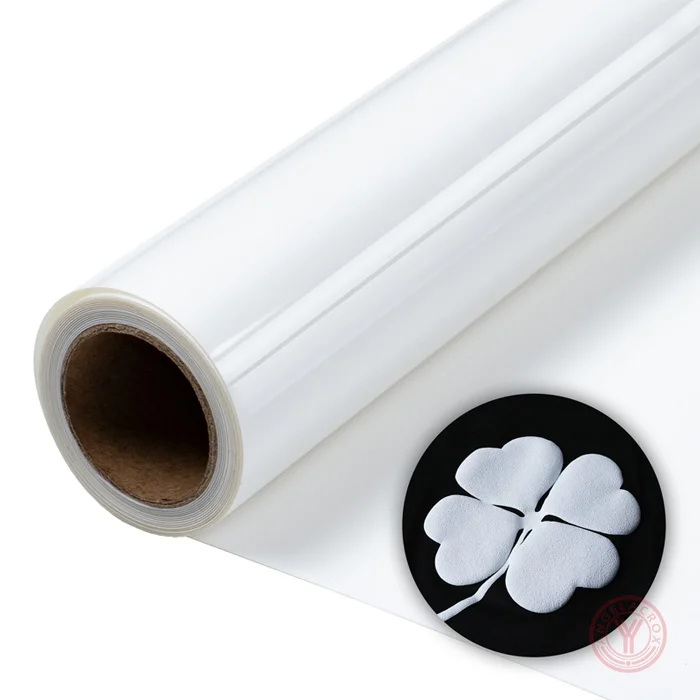
- Versatile Material Options: Choose TPU or PU to match your fabric and finish requirements.
- Eco Solvent Compatible: Sharp details and rich color on Roland, Mimaki, Mutoh and other eco-solvent printers.
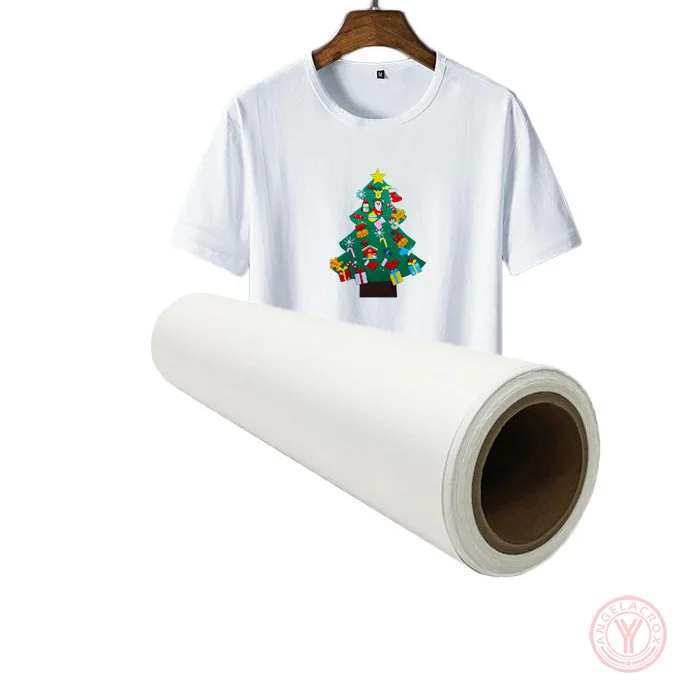
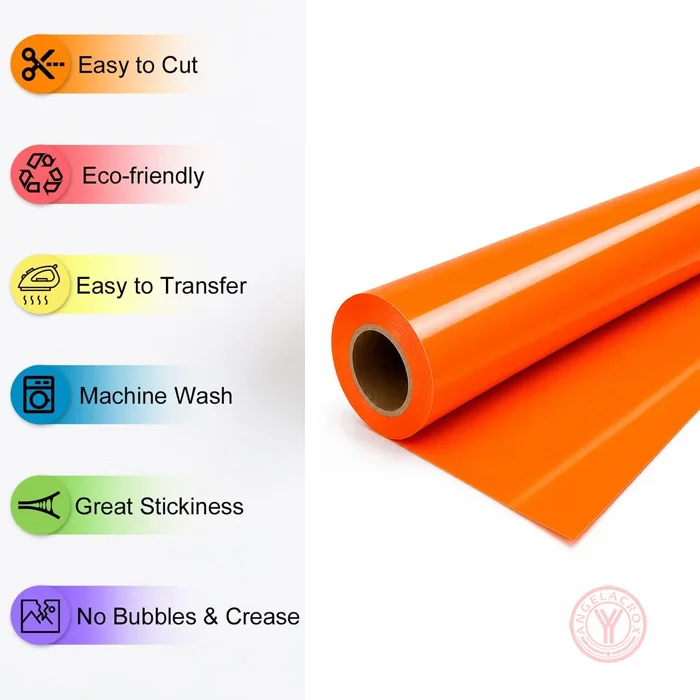
- Strong Adhesion: Reliable hot-melt bonding to cotton, polyester, blends and more.
- Wash Durable: Resists cracking, peeling and fading after repeated washes.
- Safe & Certified: Meets OEKO-TEX®, REACH and SGS standards for confident use on everyday apparel.
Specifications
| Product Name | ECO solvent printable HTV vinyl |
| Material | TPU, PU |
| Printer Compatibility | Roland, Mimaki, Mutoh and other eco-solvent printers |
| Ink Type | Eco Solvent Ink |
| Size | 20in × 3ft, 20in × 15ft, 20in × 45ft, 20in × 27yd, 20in × 54yd;Customizable |
| Thickness | 0.2 mm;Customizable |
| Finish Type | Glossy, Matte;Customizable |
| Transfer Temperature | 150–160°C |
| Transfer Time | 8–10 seconds |
| Transfer Pressure | 3–5 kg |
| Peeling Method | Cold Peeling |
| MOQ | 1 Roll |
| Sample | Free samples |
How to Use ECO Solvent Printable Heat Transfer Vinyl
- 1. Print the Design: Print your artwork onto the printable HTV using an eco-solvent printer and compatible eco-solvent ink.
- 2. Contour Cut: Use a cutting plotter to cut around the printed design, following the required contour lines.
- 3. Weed Excess Film: Remove the unwanted vinyl carefully, leaving only the desired graphic.
- 4. Pre-Press the Fabric: Press the garment for 2–3 seconds to remove moisture and wrinkles.
- 5. Heat Transfer: Position the design on the garment and apply a heat press at 150–160°C (302–320°F) for 10 seconds, using 3–5 kg pressure.
- 6. Cold Peel: Allow the transfer to cool completely before peeling off the carrier film.
- 7. Final Press: If required by the specific material, cover the design with a protective sheet and press briefly to improve adhesion.
Important: Always test the temperature, pressure, and peeling method on a sample before bulk production. Transfer settings may vary depending on the TPU or PU material and the fabric type.