
Heat transfer vinyl (HTV) comes in different materials, finishes, textures and functional constructions. Common options include PU, TPU and PVC HTV, together with glitter, metallic, holographic, flock, 3D puff, reflective, printable, patterned and other specialty heat transfer vinyl.
The best type of HTV depends on the fabric, design, required surface effect, flexibility, thickness, heat tolerance and production requirements. For apparel manufacturers, garment decorators, wholesalers and private-label brands, choosing the right HTV also means considering cutting, weeding, adhesion, washing performance, consistency and available customization.
This guide compares the main types of heat transfer vinyl by material, finish and function, then explains which HTV is suitable for different fabrics and applications.
What Are the Different Types of Heat Transfer Vinyl?
The main types of heat transfer vinyl include PU, TPU, PVC, matte, glossy, glitter, metallic, holographic, flock, 3D puff, patterned, chameleon, reflective, glow in the dark, printable and stretch HTV.
These types are not all separate material categories. HTV can be classified by its base material, surface finish, texture or special function. One product can therefore belong to several categories at the same time. For example, a glitter HTV may use a PU-based construction, while a reflective HTV may use a specialty TPU or polyester-based construction.
| HTV Type | Main Characteristic | Best For |
|---|---|---|
| PU HTV | Soft, thin and flexible | T-shirts, logos, names and general apparel |
| TPU HTV | High flexibility and elasticity | Sportswear, jerseys and stretch garments |
| PVC HTV | Firm, opaque and more structured | Workwear, promotional apparel and bold graphics |
| Matte HTV | Low-gloss, clean appearance | Minimalist logos and everyday apparel |
| Glossy HTV | Smooth, high-gloss surface | Logos, lettering and promotional apparel |
| Glitter HTV | Sparkling textured surface | Fashion, dancewear, kidswear and decorative graphics |
| Metallic HTV | Smooth metal-like appearance | Premium logos, branding and fashion apparel |
| Holographic HTV | Multi-color reflective effect | Fashion, streetwear and promotional graphics |
| Flock HTV | Raised, soft and suede-like surface | Premium logos, lettering and apparel decoration |
| 3D Puff HTV | Raised three-dimensional effect | Streetwear, bold logos and fashion graphics |
| Patterned HTV | Printed patterns and graphics | Fashion designs and customized apparel |
| Chameleon HTV | Color-shifting appearance | Fashion and distinctive graphic designs |
| Reflective HTV | Reflects incident light | Safety apparel, workwear and cycling clothing |
| Glow in the Dark HTV | Glows after light exposure | Costumes, creative apparel and night designs |
| Printable HTV | Receives printed full-color graphics | Photos, gradients and complex artwork |
| Stretch HTV | Designed for greater fabric movement | Sportswear, leggings and stretch garments |
How Are Heat Transfer Vinyl Types Classified?
The easiest way to understand the HTV market is to separate products into three overlapping categories: material, finish and function.
1. By Base Material
The base material affects softness, flexibility, thickness, cutting behavior and fabric compatibility. Common HTV constructions include PU, TPU and PVC, while specialty products may use PET, silicone, fiber-based or other engineered structures.
2. By Surface Finish or Visual Effect
The finish determines how the transferred graphic looks and feels. Matte, glossy, glitter, metallic, holographic, flock, patterned and chameleon HTV are examples of finish or visual-effect categories.
3. By Special Function
Functional HTV is developed for a specific performance requirement. Reflective HTV is designed for visibility, printable HTV is designed to receive printed graphics, glow-in-the-dark HTV provides a low-light effect, and stretch HTV is designed for garments requiring greater flexibility.
These categories can overlap. A TPU product can be reflective, a PU product can be glitter, and a specialty film can combine a visual effect with a functional property. For commercial production, the base material and technical specification should therefore be checked rather than selecting a film by appearance alone.
Heat Transfer Vinyl Types by Material
Material is one of the most important factors when selecting HTV. PU, TPU and PVC have different physical characteristics, while specialty constructions are used when a particular texture, thickness or performance is required.
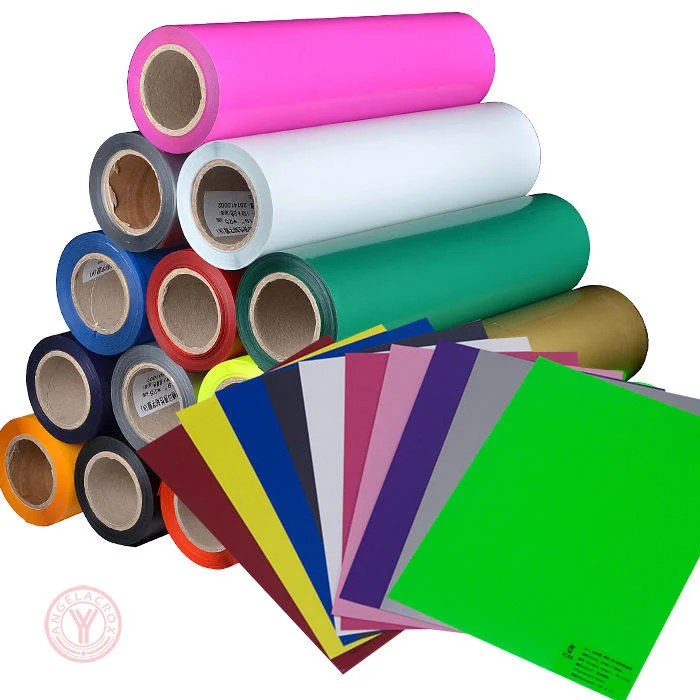
PU Heat Transfer Vinyl
PU heat transfer vinyl is widely used for apparel because it combines a soft hand feel with flexibility, good cutting performance and suitability for detailed graphics. Thin PU films are commonly selected for names, numbers, logos, lettering and everyday garment decoration.
- Soft and lightweight hand feel
- Good flexibility for everyday apparel
- Suitable for detailed logos and lettering
- Good cutting and weeding performance when the film thickness is matched to the design
- Commonly suitable for cotton, polyester and selected fabric blends
- Available in matte, glossy and specialty finishes
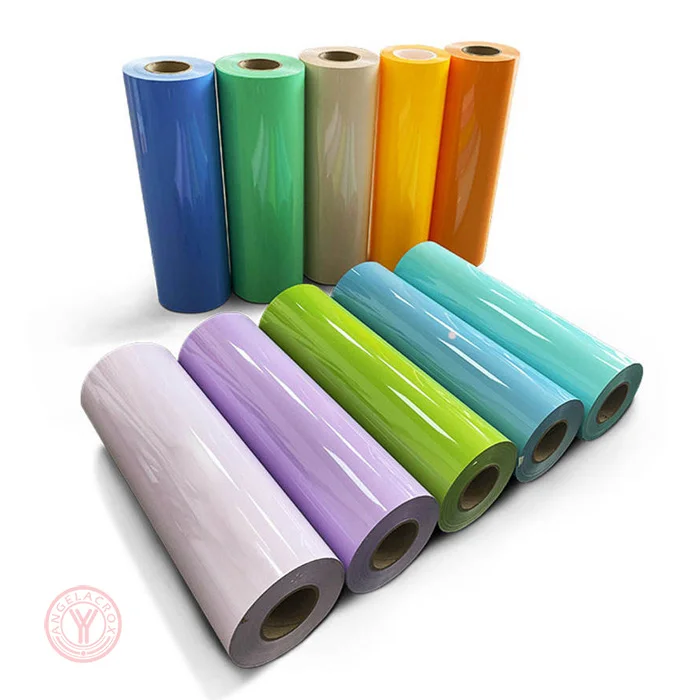
TPU Heat Transfer Vinyl
TPU heat transfer vinyl is selected when flexibility and elasticity are important. It is commonly used for sportswear, jerseys, fitted garments and other applications where the decoration needs to move with the textile.
- High flexibility and elasticity
- Soft hand feel
- Suitable for sportswear and performance apparel
- Available in different thicknesses and finishes
- Suitable for selected stretch fabrics depending on the product construction
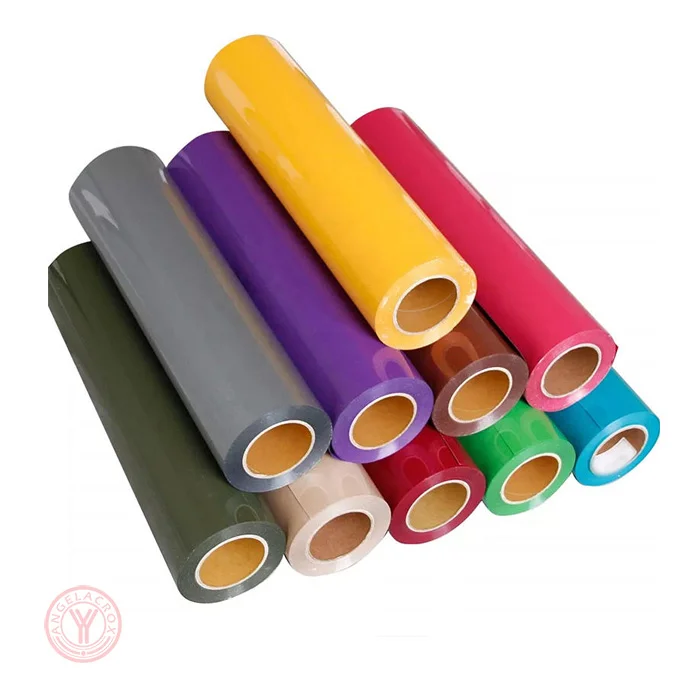
PVC Heat Transfer Vinyl
PVC HTV generally has a firmer and more structured appearance than soft PU or TPU films. It can be useful where opacity, body and a bold graphic appearance are more important than maximum softness or stretch.
- Firm and structured appearance
- Good opacity for selected applications
- Suitable for bold graphics and lettering
- Useful for selected workwear and promotional apparel
Other Specialty HTV Materials
Specialty heat transfer materials may use PET-based constructions, silicone, fiber surfaces, advanced TPU structures or other engineered combinations.
For example, high-frequency TPU products can be designed for molded, welded or three-dimensional applications, while silicone heat transfer products can provide a thicker, rubber-like tactile effect. The exact construction should always be evaluated against the required application and production process.
PU vs TPU vs PVC HTV: Which One Should You Choose?
There is no single HTV material that is best for every application. The correct choice depends on the fabric, required flexibility, surface appearance, design complexity and finished-garment requirements. The ratings below are relative comparisons based on typical film thickness (60–100 micron) and standard construction for each material; individual products can vary and should be confirmed against the technical data sheet.
| Feature | PU HTV | TPU HTV | PVC HTV |
|---|---|---|---|
| Softness / hand feel | Soft, low film profile | Soft, slightly thicker profile | Firmer, more noticeable on fabric |
| Stretch / elasticity | Moderate — flexes with the fabric but not engineered for high stretch | High — formulated specifically for garments that stretch significantly, e.g. spandex blends | Low — designed for stability rather than stretch |
| Detailed cutting | Good on films ≤75 micron; fine text and thin lines cut cleanly | Good, but higher elongation can make very fine detail more prone to tearing when weeding | Adequate for bold shapes; not recommended for fine detail |
| Recovery after stretch | Moderate | High — returns to shape after repeated stretching | Low — not designed for repeated stretch |
| Opacity on dark fabric | Moderate; may need a base layer for very dark or dyed fabric | Moderate, construction dependent | High — good single-layer coverage |
| Typical use case | T-shirts, logos, everyday apparel | Sportswear, jerseys, fitted/stretch garments | Workwear, promotional apparel, bold graphics |
These comparisons are general guidance based on typical construction for each material type, not test results for a specific product. Request the technical data sheet (TDS) for exact specifications before production.
For soft everyday apparel, PU is often a practical starting point. For sportswear and garments requiring greater elasticity, TPU is generally a stronger candidate. PVC can be considered when a firmer, more structured graphic or better single-layer opacity is required.
Heat Transfer Vinyl Types by Finish and Visual Effect
Finish-based HTV is selected primarily for appearance and tactile effect. The finish does not always identify the base material, so the technical specification should still be checked before production.
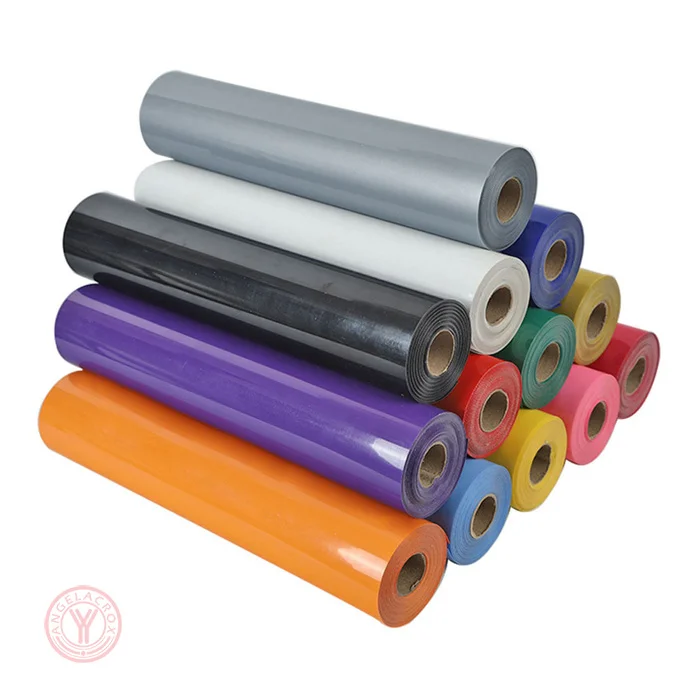
Matte Heat Transfer Vinyl
Matte HTV has a low-gloss surface that gives apparel graphics a clean and understated appearance. It is suitable for minimalist branding, names, numbers, logos and everyday garments where a strong reflective surface is not required.
- Low-gloss appearance
- Smooth and clean visual effect
- Suitable for logos, text and everyday apparel
- Commonly available in PU constructions
View Matte Heat Transfer Vinyl
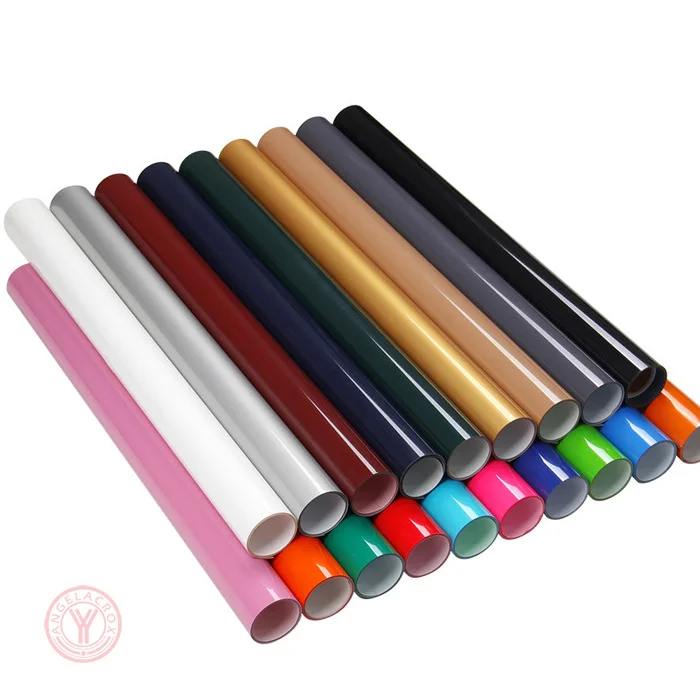
Glossy Heat Transfer Vinyl
Glossy HTV has a smooth, shiny surface that gives transferred graphics a brighter visual appearance. It is often used for logos, lettering, promotional apparel and designs where surface shine is desired.
Glossy HTV should not be confused with reflective HTV. Glossy describes the surface appearance, while reflective HTV is engineered to reflect incident light for visibility-related applications.
View Glossy Heat Transfer Vinyl
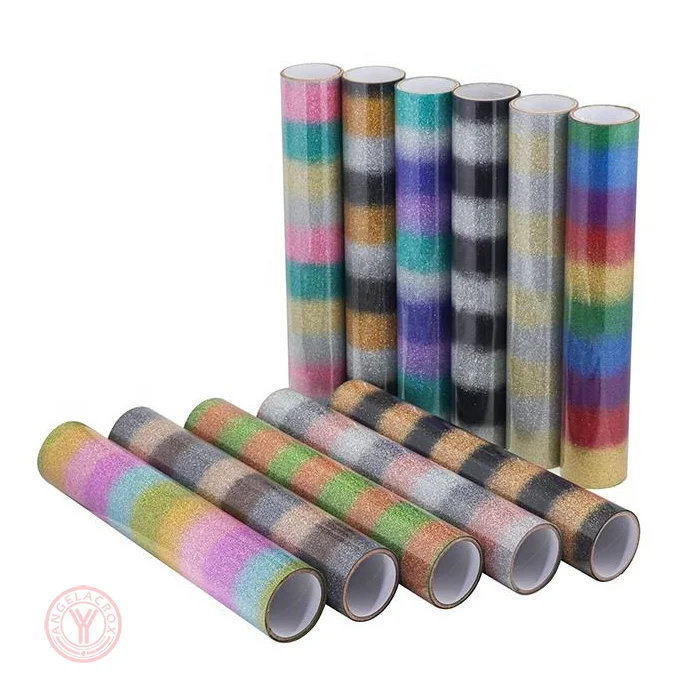
Glitter Heat Transfer Vinyl
Glitter HTV provides a sparkling, textured surface that adds visual impact to apparel graphics. It is available in multiple colors and can be produced using PU or other specialty constructions depending on the product.
- Eye-catching sparkling appearance
- Available in multiple colors
- Suitable for fashion apparel and decorative graphics
- Popular for dancewear, kidswear and personalized clothing
- Generally better suited to bold designs than extremely fine details
View Glitter Heat Transfer Vinyl
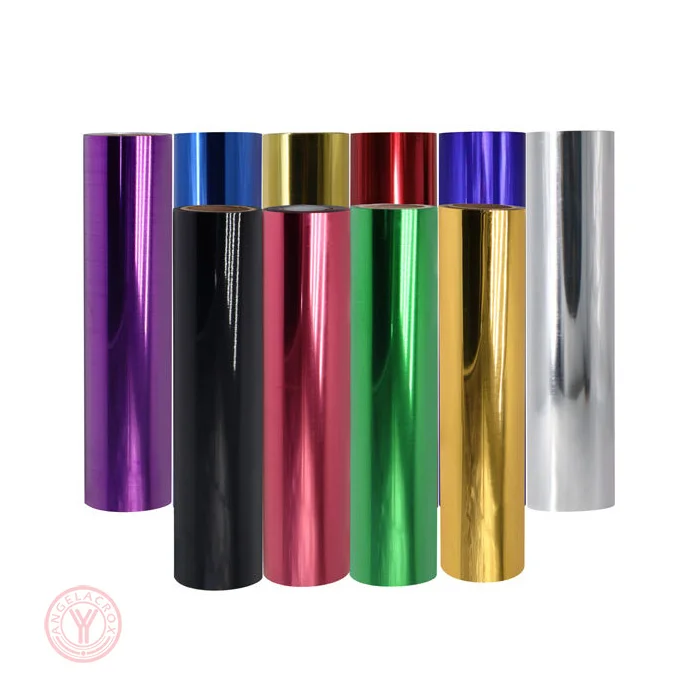
Metallic Heat Transfer Vinyl
Metallic HTV creates a smooth metal-like appearance, including silver, gold and other metallic colors. Unlike glitter, the effect is generally smooth rather than visibly textured.
- Metal-like surface appearance
- Suitable for premium branding and logos
- Useful for fashion and decorative apparel
- Available in different metallic colors and constructions
View Metallic Heat Transfer Vinyl
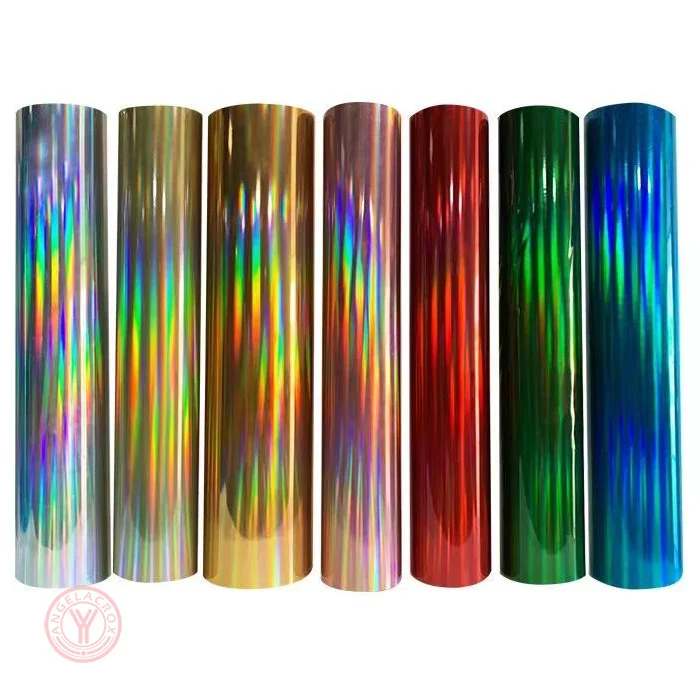
Holographic Heat Transfer Vinyl
Holographic HTV produces a multi-color reflective effect that changes visually with viewing angle and lighting. It is often selected for fashion garments, streetwear, promotional graphics and designs that require a distinctive visual effect.
View Holographic Heat Transfer Vinyl
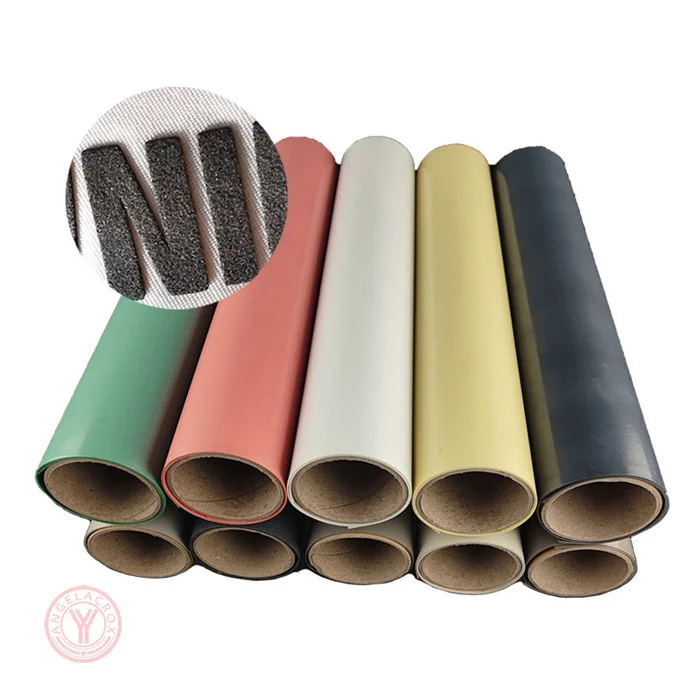
Flock Heat Transfer Vinyl
Flock HTV has a raised, soft and suede-like surface created by a dense fiber layer. It gives apparel graphics a tactile appearance that is different from smooth film.
Flock is particularly useful when a premium textile effect is required. For selected logos and lettering, it can also be used as an alternative to embroidered decoration while maintaining a raised visual effect.
- Dense fiber surface
- Soft, raised and suede-like hand feel
- Rich visual appearance
- Suitable for premium logos and lettering
- Useful for apparel where embroidery-like texture is desired
View Flock Heat Transfer Vinyl
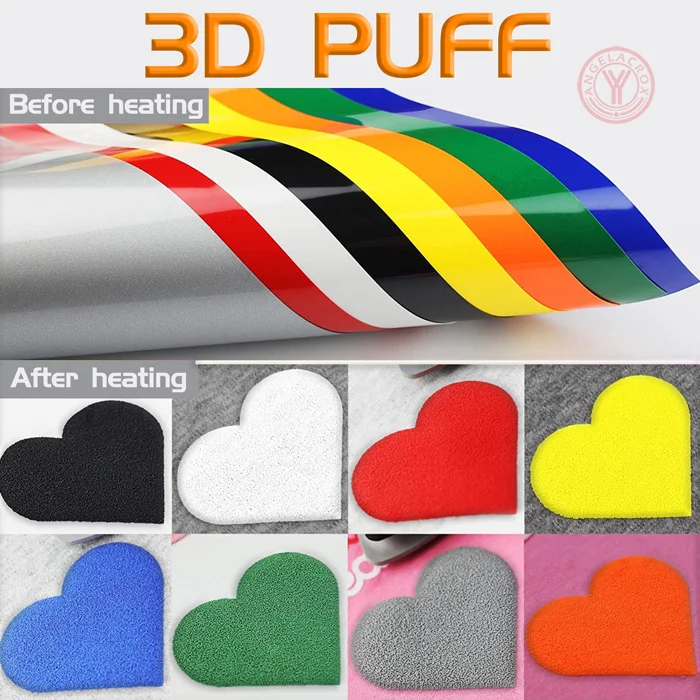
3D Puff Heat Transfer Vinyl
3D Puff HTV creates a raised three-dimensional effect after heat pressing. The material expands or develops a dimensional structure under the specified application conditions, producing a thicker graphic than standard flat HTV.
- Raised three-dimensional appearance
- Suitable for bold logos and typography
- Popular for streetwear and fashion graphics
- Available in different base materials and thicknesses
View 3D Puff Heat Transfer Vinyl
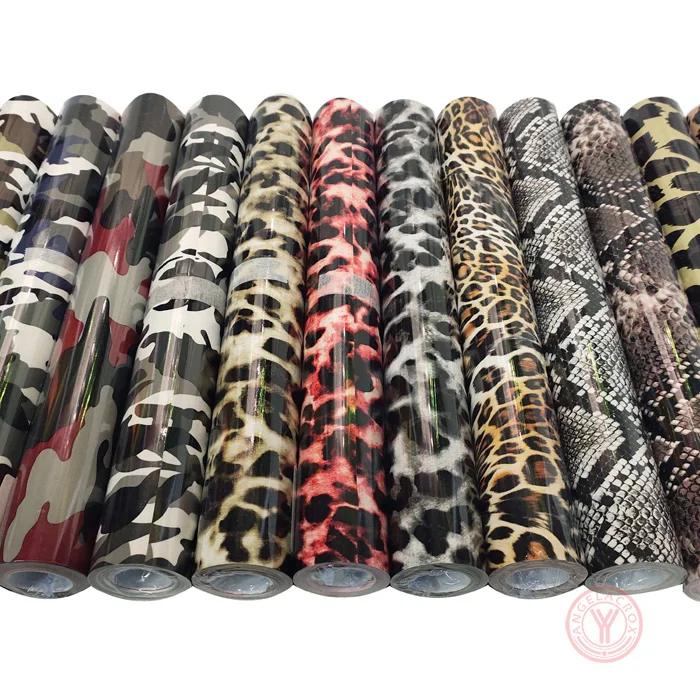
Patterned Heat Transfer Vinyl
Patterned HTV features printed patterns, decorative graphics or repeated designs instead of a single solid color. It can simplify the production of customized apparel when a specific visual pattern is required.
View Patterned Heat Transfer Vinyl
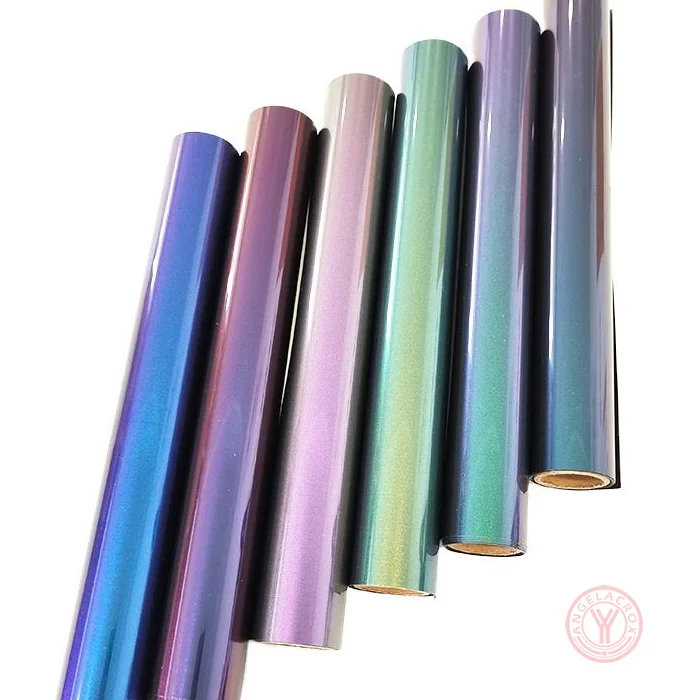
Chameleon Heat Transfer Vinyl
Chameleon HTV creates a color-shifting visual effect that changes with viewing angle or lighting. It is suitable for fashion apparel, promotional products, streetwear and other applications where a distinctive appearance is important.
Specialty Heat Transfer Vinyl by Function
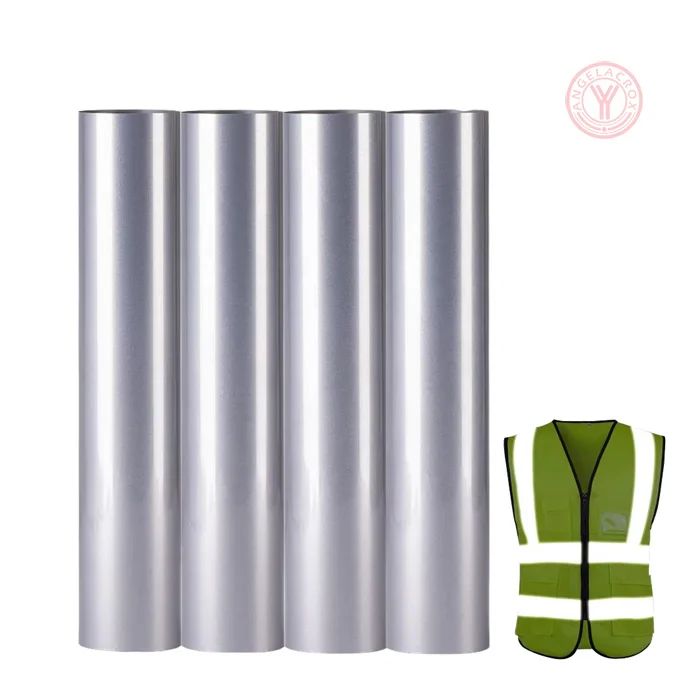
Reflective Heat Transfer Vinyl
Reflective HTV is designed to reflect incident light and is commonly used where visibility is important. Typical applications include safety apparel, workwear, cycling garments, sportswear and other visibility-related clothing.
- Reflective optical effect
- Suitable for safety and workwear graphics
- Useful for cycling and sports apparel
- Available in different colors and constructions
View Reflective Heat Transfer Vinyl
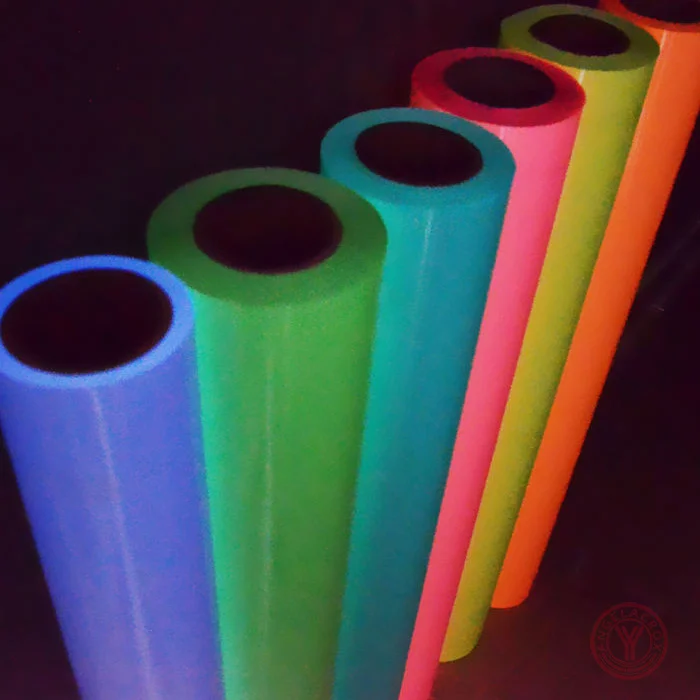
Glow in the Dark Heat Transfer Vinyl
Glow in the dark HTV stores light energy and produces a visible glow in low-light or dark environments. It is primarily selected for creative and decorative applications.
- Glows after exposure to light
- Suitable for costumes and creative apparel
- Useful for children's and novelty designs
- Suitable for night-themed graphics
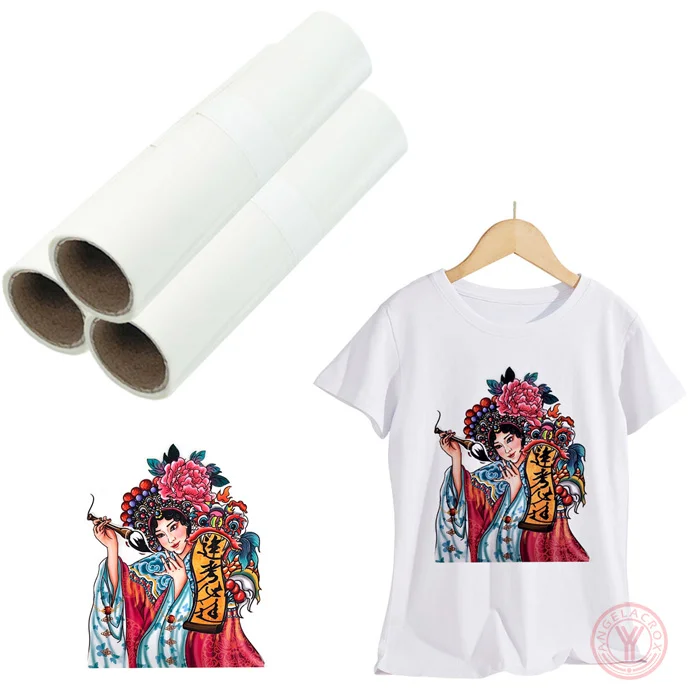
Printable Heat Transfer Vinyl
Printable HTV is designed to receive printed graphics before heat application. It is useful when a design contains photographs, gradients, detailed illustrations or multiple colors that would be impractical to reproduce by cutting individual HTV colors.
Depending on the product construction, printable HTV can be compatible with eco-solvent, solvent or latex printing systems. Printer compatibility should always be confirmed for the specific film.
- Suitable for full-color artwork
- Suitable for photographs and gradients
- Useful for complex patterns
- Supports print-and-cut workflows for selected products
View Printable Heat Transfer Vinyl
Stretch Heat Transfer Vinyl
Stretch HTV is designed for garments that require greater flexibility and movement. TPU-based and other flexible constructions may be suitable depending on the fabric and the exact product specification.
- Designed for flexible garments
- Suitable for sportswear and activewear
- Useful for leggings and stretch garments
- Product selection should match the elasticity of the target fabric
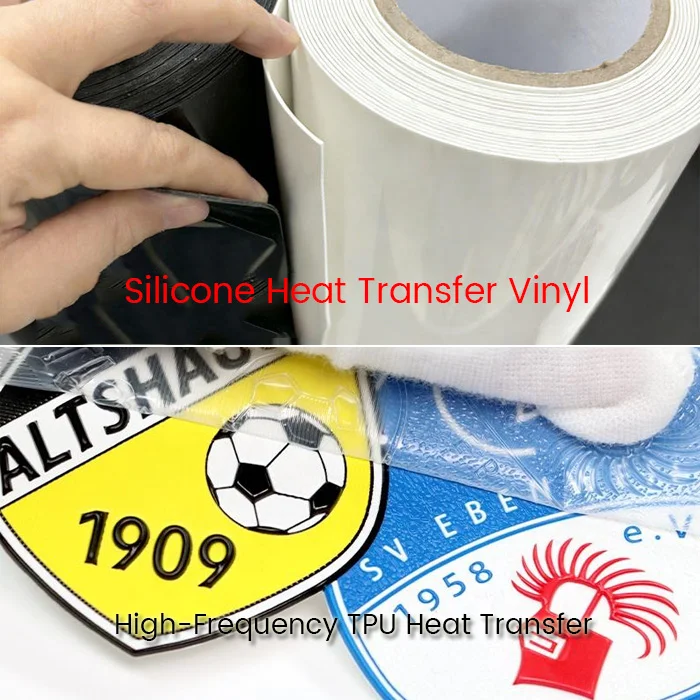
Silicone and High-Frequency TPU Heat Transfer
Silicone and high-frequency TPU transfer materials are specialty solutions for brands requiring thicker, tactile or molded effects rather than a conventional flat vinyl appearance.
These products are commonly considered for premium logos, dimensional branding, sportswear, labels and applications where a distinctive three-dimensional finish is required.
Best HTV for Different Fabrics
Fabric compatibility is one of the most important considerations when selecting heat transfer vinyl. The same HTV can perform differently depending on fabric composition, surface treatment, heat tolerance and garment construction.
Always test the selected HTV on the actual target fabric before bulk production, particularly when working with coated, heat-sensitive, elastic or specialty textiles.
| Fabric or Garment | HTV Types to Consider | Important Consideration |
|---|---|---|
| Cotton | PU, Glitter, Flock, Metallic | Choose according to appearance, softness and design detail |
| Polyester | PU, TPU, Reflective | Check dye migration and temperature requirements where applicable |
| Spandex / Stretch Blends | TPU, Stretch HTV | Elasticity and adhesion must match garment movement |
| Sportswear | TPU, Stretch, Reflective | Flexibility, adhesion and wash performance are important |
| Workwear | PVC, PU, Reflective | Consider opacity, structure and visibility requirements |
| Blended Fabrics | PU, TPU and selected specialty HTV | Test the actual fabric blend before production |
| Heat-Sensitive Fabrics | Compatible low-temperature HTV | Use the manufacturer's specified temperature and dwell time |
Best HTV for Different Applications
| Application | Recommended HTV | Primary Reason |
|---|---|---|
| T-Shirts | PU, TPU | Softness and flexible everyday decoration |
| Sports Jerseys | TPU, Stretch HTV | Flexibility and movement |
| Fashion Apparel | Glitter, Metallic, Holographic, Chameleon | Distinctive visual effects |
| Premium Logos | Flock, Metallic, Silicone, Thick TPU | Tactile and premium appearance |
| Streetwear | Puff, Holographic, Metallic | Bold and dimensional effects |
| Safety Clothing | Reflective HTV | Visibility-related applications |
| Full-Color Graphics | Printable HTV | Photos, gradients and complex artwork |
| Personalized Apparel | PU, TPU, Flock, Glitter | Suitable for names, logos and decorative designs |
| Hats and Caps | PU, Flock, Puff, Metallic | Suitable for selected curved and structured garments |
For application-specific guidance, see What Is the Best Heat Transfer Vinyl for T-Shirts and Heat Transfer Vinyl for Hats.
Heat Transfer Vinyl Temperature, Time and Pressure
HTV heat press settings vary by material, thickness, adhesive construction and finish. The values below are representative YANYAN starting specifications for selected products, not universal settings for every HTV product. Where a row lists "product dependent," the range is wide enough across that product family (for example, puff HTV ranges from a low-rise foam to a high-rise foam, each requiring different dwell time) that a single figure would be misleading without the specific product code.
Always confirm the technical specification for the exact product and perform a test transfer on the target fabric before bulk production.
| HTV Type | Material | Typical Size | Temperature | Time | Pressure | Peel |
|---|---|---|---|---|---|---|
| Standard PU HTV | PU | 50 cm × 50 m | 140–145°C (284–293°F) | 8–10 sec | 3–5 kg | Warm / Cold |
| Glitter HTV | PU / PET | 50 cm × 50 m | 140–145°C (284–293°F) | 8–10 sec | 3–5 kg | Warm / Cold |
| Flock HTV | Fiber surface | Product dependent | 155–160°C (311–320°F) | 10–15 sec | 3–5 kg | Cold |
| Printable PU HTV | PU | 50 cm × 25 m | 150–160°C (302–320°F) | 10–15 sec | 4–6 kg | Cold |
| Puff HTV | PU / TPU / PVC / specialty | Product dependent (low-rise to high-rise foam) | 150–160°C (302–320°F) | 8–10 sec first press; a light second press without a Teflon sheet is sometimes used to fully raise the foam | 4–6 kg | Product dependent — confirm with the specific foam grade |
| Reflective HTV | Specialty reflective film | 50 cm × 25 m | 140–145°C (284–293°F) | 10–15 sec, product dependent | 3–5 kg | Cold |
The actual press result depends on the heat press, fabric, pressure calibration, design size and application method. A test transfer is recommended before mass production.
What Should You Check Before Buying HTV in Bulk?
For commercial production, the appearance of HTV is only one part of the purchasing decision. A suitable material should also perform consistently through cutting, weeding, pressing, washing and repeated production.
1. Fabric Compatibility
Confirm the fabric composition, surface treatment and heat tolerance. If the garment contains polyester, elastane, coatings or specialty finishes, test the exact combination before bulk production.
2. Cutting and Weeding
Detailed logos, small lettering and fine graphics require suitable film thickness and cutting characteristics. Cutter blade, speed, pressure and design complexity also affect production results.
3. Adhesion
The adhesive must be compatible with the textile and pressing conditions. Insufficient heat, pressure or dwell time can result in incomplete bonding, while unsuitable settings may damage heat-sensitive fabrics.
4. Flexibility
Sportswear and stretch garments normally require more flexible HTV than rigid workwear. The elasticity of the transfer should be considered together with the elasticity of the fabric.
5. Wash Performance
For garments that will be repeatedly washed, evaluate the actual HTV and fabric combination. Washing performance depends on the film, adhesive, application conditions, garment construction and care process.
6. Color Consistency
For wholesale production, color consistency between batches is important. Brands requiring specific colors can request Pantone matching or physical sample matching before mass production.
7. Thickness and Surface Finish
Thickness affects hand feel, cutting behavior, visual body and application performance. Surface finish determines the final appearance of the garment.
8. Batch Consistency
Wholesale buyers should evaluate consistency in color, thickness, adhesive performance, cutting behavior and finished appearance from batch to batch.
HTV vs DTF Film vs UV DTF Film: What Is the Difference?
HTV, DTF film and UV DTF film are sometimes grouped together because all are used in transfer or decoration workflows, but they are not the same material or production process.
| Product | Main Process | Typical Application | Best Suited For |
|---|---|---|---|
| Heat Transfer Vinyl | Cut / Weed / Heat Press | Garment graphics | Logos, names, numbers and specialty effects |
| Printable HTV | Print / Cut / Heat Press | Garment decoration | Full-color and complex artwork |
| DTF Film | Print / Powder / Heat Transfer | Textile transfers | Full-color garment production |
| UV DTF Film | UV Print / Transfer | Hard-surface decoration | Selected rigid products and promotional items |
If your main requirement is cuttable apparel graphics with specific textures or effects, HTV is the relevant material category. If you need a full-color digital transfer workflow, DTF or printable HTV may be more appropriate depending on the garment, equipment and production method.
YANYAN Heat Transfer Vinyl for Wholesale and OEM/ODM
YANYAN is a heat transfer material manufacturer and factory supplier established in 2001, providing HTV and related heat transfer materials for apparel and textile applications. The product range includes PU, TPU, PVC, glitter, flock, metallic, holographic, reflective, puff, printable and other specialty HTV solutions.
For wholesale and OEM/ODM projects, the material can be developed according to the required color, size, thickness, material, surface finish and application.
Custom HTV Services
- Custom colors
- Pantone and physical sample color matching
- Custom width and roll length
- Custom thickness
- PU, TPU, PVC, PET and specialty material options
- Custom matte, glossy, glitter, metallic and other finishes
- Custom packaging
- OEM production
- ODM development
- Flexible MOQ depending on product and specification
- Pre-production samples
- Final inspection before shipment
Sample and Production Support
Standard stock samples can generally be prepared within 1 working day. Custom samples generally require about 3 working days, depending on the product and specification.
Bulk production generally takes approximately 7–15 working days for standard products. Complex custom products, special formulas or tooling may require additional production time.
Customers can request samples for fabric and application testing before committing to a bulk order. This is particularly recommended when the target fabric, finish or heat press condition is new.
How to Choose a Heat Transfer Vinyl Supplier
When sourcing HTV for wholesale or garment production, the supplier's production capability is as important as the material itself.
- Check whether the supplier is a manufacturer or trading company.
- Ask for product samples before bulk production.
- Confirm the actual material and thickness.
- Request technical specifications and application instructions.
- Confirm MOQ for the exact product and specification.
- Check color matching capability for custom projects.
- Ask about batch consistency and quality inspection.
- Confirm packaging and shipping options.
- Request applicable product certifications.
- Test the HTV on the actual production fabric before mass production.
YANYAN maintains applicable certifications and testing documentation for its product lines, which may include OEKO-TEX, REACH, RoHS, CE, CPSIA, ISO and CA Prop 65 depending on the material and target market. Ask for the certificate that applies to the specific product code and the destination market's regulatory requirements — not every certification applies to every SKU.
Frequently Asked Questions About Different Types of Heat Transfer Vinyl
What's the difference between PU, TPU and PVC HTV — and which is most common?
PU is the most widely used type for general apparel due to its soft hand feel and good cutting performance. TPU offers greater elasticity and is preferred for sportswear and stretch garments, while PVC is firmer and more structured, suited to bold graphics and workwear. See the PU vs TPU vs PVC comparison table above for a full feature-by-feature breakdown.
For what flock, glitter, reflective and printable HTV are each used for, see Heat Transfer Vinyl Types by Finish and Visual Effect and Specialty Heat Transfer Vinyl by Function above.
Which HTV works best on sportswear, cotton, polyester or stretch fabric?
In short: TPU or stretch HTV for sportswear and stretch fabric, PU for cotton T-shirts, and PU/TPU or reflective HTV for polyester (watch for dye migration and heat sensitivity). See Best HTV for Different Fabrics above for the full fabric-by-fabric breakdown and what to check before bulk production.
Can different types of HTV be layered?
Some HTV products can be layered, but compatibility depends on the materials, adhesive systems, surface finishes and pressing conditions. Always follow the manufacturer's layering instructions and test the combination before production.
Which HTV is easiest to cut and weed?
Thin, flexible HTV is generally easier to cut and weed, particularly for detailed graphics. Actual performance depends on film thickness, cutter settings, blade condition and design complexity.
Does thicker HTV always mean better quality?
No. Thickness should be selected according to the intended appearance, flexibility, cutting, fabric and application requirements. A thinner film may be preferable for soft apparel, while thicker materials can be useful for dimensional or tactile effects.
Can HTV be customized?
Yes. Depending on the product, YANYAN supports customization of color, size, thickness, material, surface finish and packaging, together with OEM and ODM production.
Can I request a sample before bulk production?
Yes. Standard stock samples can generally be prepared within 1 working day, while custom samples generally require about 3 working days, depending on the product and specification.
What is the MOQ for heat transfer vinyl?
MOQ depends on the HTV type, specification and customization requirements. Many standard HTV products can be ordered from approximately one roll, while custom projects may require a different MOQ.
Do you provide OEM and ODM heat transfer vinyl?
Yes. YANYAN supports OEM and ODM projects involving custom colors, materials, dimensions, thicknesses, finishes and packaging.
What certifications are available for HTV?
Depending on the product, applicable certifications and testing may include OEKO-TEX, REACH, RoHS, CE, CPSIA, ISO and CA Prop 65. Certification availability should be confirmed for the specific product.
Are you a heat transfer vinyl manufacturer or trading company?
YANYAN is a manufacturer and factory supplier specializing in heat transfer vinyl and related heat transfer materials. The company supports product development, OEM/ODM manufacturing, custom specifications and wholesale supply.
How long does bulk HTV production take?
Standard bulk production generally takes approximately 7–15 working days. Custom products, special formulas or complex development requirements may require additional time.
Can YANYAN match a specific HTV color?
Yes. Custom colors can be developed using Pantone references or physical color samples, subject to the product construction and color requirements.
Need Help Choosing the Right Heat Transfer Vinyl?
The right HTV depends on more than color. Material, thickness, finish, flexibility, fabric compatibility, heat press conditions and production requirements should all be considered.
YANYAN supplies PU, TPU, PVC, glitter, flock, metallic, holographic, reflective, puff, printable and other specialty heat transfer vinyl for apparel and textile applications. Custom colors, sizes, thicknesses, materials and finishes are available for wholesale, OEM and ODM production.
If you already know the fabric, application, required effect or target specification, send the details to YANYAN for material recommendation and sample testing.