





What is 3D Heat Transfer Vinyl?
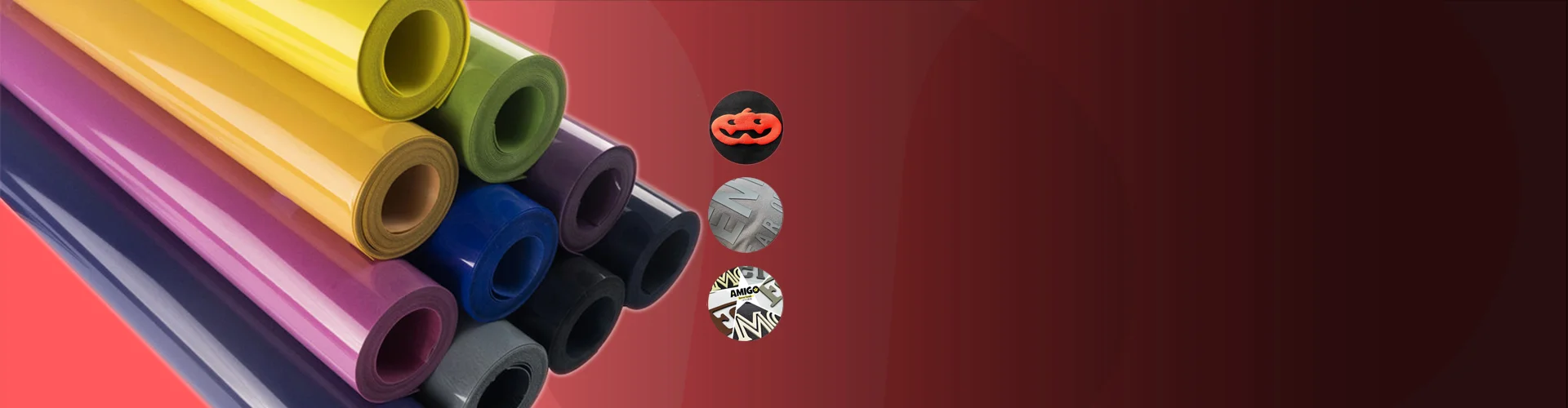
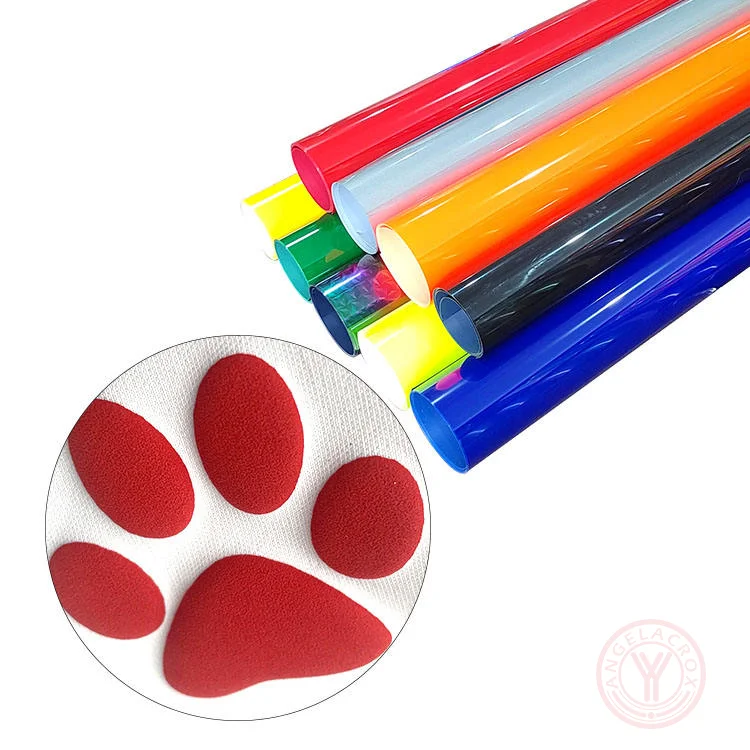
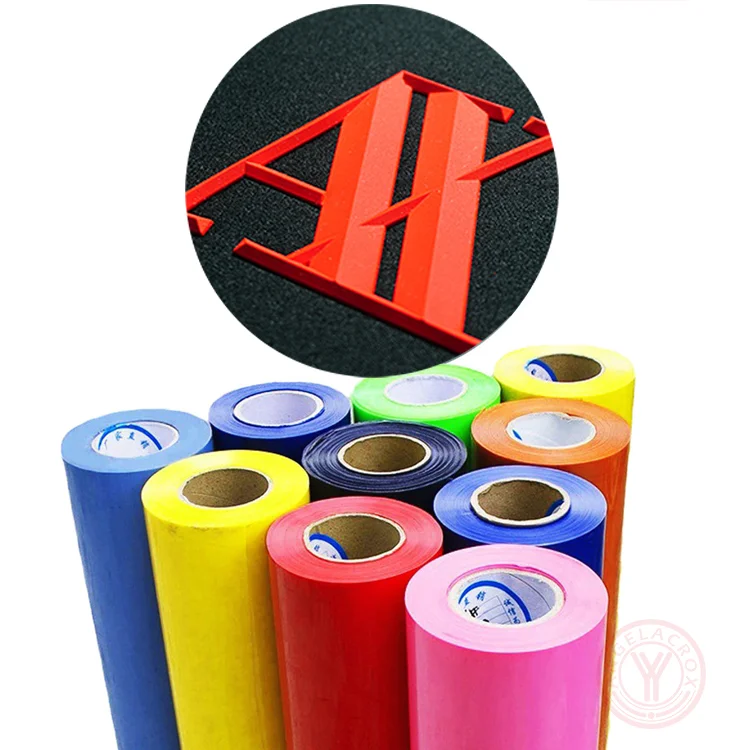
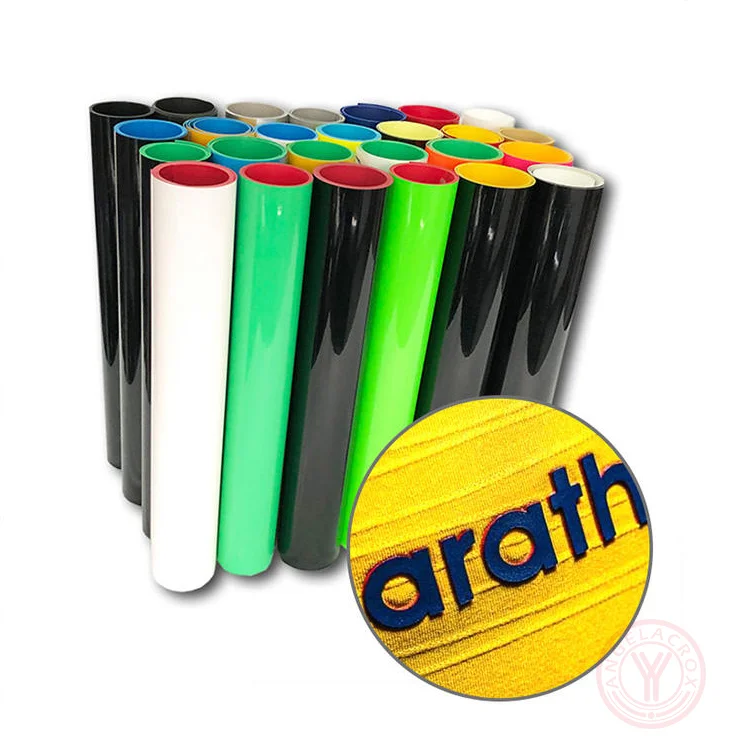
3D Heat Transfer Vinyl (often called "Puff Heat Transfer Vinyl" or High Thick HTV) is a specialty iron-on material that puffs up and expands when heated. This creates a raised, textured, and three-dimensional finish that makes bold letters, logos, and graphic designs literally pop off your fabric or apparel.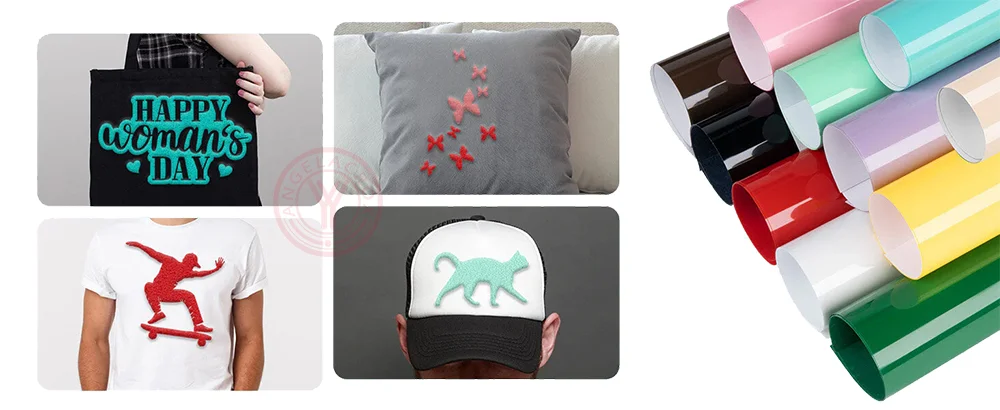
What Are the Applications of 3D HTV Vinyl?
- Apparel & Fashion: T-shirts, hoodies, sweatshirts, jackets, streetwear designs
- Sportswear: Team uniforms, jerseys, training wear with logos and numbers
- Headwear: Caps, beanies, and hats for branded decoration
- Bags & Accessories: Backpacks, tote bags, and fabric accessories
- Promotional Products: Event merchandise, giveaways, and branded gifts
- Workwear & Uniforms: Corporate uniforms, safety clothing branding
- Custom Fashion Brands: Small brands and designers creating premium textured effects
- DIY Custom Printing: Personalized gifts and custom clothing production
How does 3D heat transfer vinyl work?
3D heat transfer vinyl works by using heat and pressure to activate a special expandable adhesive layer inside the vinyl.
When the vinyl is cut and placed on fabric, the heat press (or iron) melts the adhesive layer and bonds it to the textile. At the same time, the foam-like or micro-expanding layer inside the vinyl reacts to heat and expands upward, creating the raised “3D” or puff effect.
After cooling, the material sets in its expanded shape, forming a permanent, textured, and elevated design that is bonded to the fabric surface.
In short: heat activates bonding + internal expansion → cooling locks in the 3D raised effect.
What is the difference between 3D HTV and regular heat transfer vinyl?
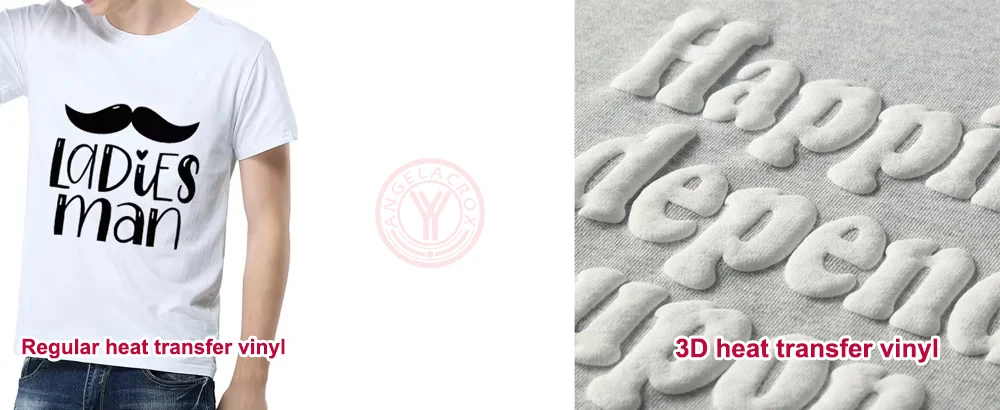
The difference between 3D Heat Transfer Vinyl (3D HTV) and regular heat transfer vinyl mainly lies in the visual and tactile effect after application. Regular HTV creates a flat, smooth finish on fabric and is commonly used for simple logos, text, and basic graphics. It is lightweight, cost-effective, and ideal for mass production with clean, two-dimensional designs.
In contrast, 3D HTV produces a raised, dimensional effect that adds depth and texture to the design. Depending on the type (such as puff, silicone, or textured vinyl), it can create a soft, inflated, or embossed appearance, making the design more eye-catching and premium. It is often used in fashion branding, streetwear, and high-impact logo applications where a stronger visual presence is needed.
What are the different finishing types of 3D HTV Vinyl?
3D HTV (3D Heat Transfer Vinyl) comes in several finishing types that create different surface effects and textures after heat pressing. The most common is 3D puff, which expands to form a raised foam-like design, while 3D glitter puff adds a sparkling effect on top of the embossed texture. 3D silicone HTV provides a soft, durable, rubber-like finish with strong flexibility, making it ideal for sportswear. There are also metallic or foil finishes that deliver a reflective, shiny 3D appearance, as well as chameleon finishes that change color depending on the viewing angle. For special applications, glow-in-the-dark HTV emits light in low conditions, and suede or matte puff offers a more subtle, fabric-like tactile effect. Together, these finishes allow for a wide range of visual and functional design possibilities in 3D heat transfer applications.What fabrics can 3D heat transfer vinyl be used on?
3D heat transfer vinyl adheres best to 100% cotton, 100% uncoated polyester, and cotton-poly blends. You can also apply it to textured natural and synthetic fabrics like canvas and fleece, though you must avoid materials that melt under heat.
Highly Compatible Fabrics
- 100% Cotton: Ideal for most everyday apparel like t-shirts and sweatshirts.
- Cotton-Poly Blends: Very common in hoodies and tees; accepts puff vinyl easily.
- 100% Polyester: Excellent for athletic wear, but ensure it is uncoated.
- Canvas: Works well for textured items like tote bags.
- Fleece: Great for dimensional lettering on winter gear.
Fabrics to Use with Caution
- Spandex / Lycra / Nylon: Can crack or peel if overstretched due to limited flexibility of 3D vinyl.
- Water-resistant Nylon: Coated surfaces may block adhesive bonding.
Fabrics to Avoid
- Heat-Sensitive Synthetics: Acrylic, rayon, or sheer fabrics may melt or warp under high heat.
- Leather: Uneven surface makes it difficult to achieve a strong, smooth bond.
What Is the Recommended Temperature, Pressing Time, and Pressure for Applying 3D HTV Vinyl?
The application temperature for 3D HTV (3D Heat Transfer Vinyl) typically ranges from 150°C to 165°C (300°F to 330°F), depending on the specific material and manufacturer.
Most common 3D puff HTV works best around:
- Temperature: 155°C–160°C (310°F–320°F)
- Press time: 10–15 seconds
- Pressure: Medium to firm
Some thicker or specialty 3D effects (like silicone or extra puff formulas) may require slightly higher heat or a two-step pressing process, so it’s always best to follow the supplier’s technical data sheet for exact settings.
Can I use a home iron instead of a heat press machine?
Yes, you can use a home iron, but it is not recommended for 3D HTV (3D puff vinyl).
A heat press is preferred because it provides consistent temperature, even pressure, and flat contact, which are all critical for proper 3D expansion and adhesion.
With a home iron:
- It is hard to maintain a stable 150–165°C (300–330°F).
- Pressure is uneven, which can cause poor puff effect or partial lifting.
- Steam holes can create uneven bonding or marks.
However, for best results—especially for 3D puff, silicone, or thick textured HTV—a heat press machine is strongly recommended for durability and full 3D expansion.