
In the world of custom apparel and personalized goods, printable heat transfer vinyl (HTV) has emerged as one of the most versatile and accessible materials available to crafters, small business owners, and professional decorators alike. Whether you want to create a one-of-a-kind T-shirt, a custom tote bag, or branded merchandise for your business, printable vinyl heat transfer offers a unique combination of flexibility, durability, and creative freedom that is difficult to match with any other method.
Unlike standard heat transfer vinyl, which comes pre-colored and is cut into shapes using a cutting machine,Printable Heat Transfer Vinyl is essentially a polyurethane (PU) or PVC-based film that has been engineered with a special coating to accept ink from inkjet or solvent printers.This means you can reproduce full-color photographs, intricate gradients, complex illustrations, and multicolored designs with relative ease — all without the need for multiple layers of vinyl or hours of weeding.
This guide explores everything you need to know about printable heat transfer vinyl: what it is, how it works, the different types available, step-by-step instructions for use, tips for achieving the best results, and the wide range of applications that make it such a popular material.
What Is Printable Heat Transfer Vinyl?
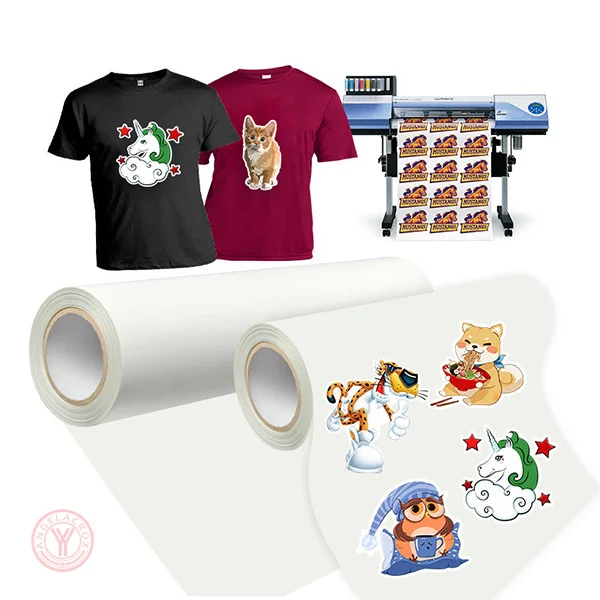
Printable heat transfer vinyl is a specialty film that combines printability and heat-activated adhesion. It consists of a thin, flexible vinyl layer on a clear or white carrier sheet. The top surface is coated to accept ink from inkjet or laser printers, while the underside features a heat-activated adhesive that bonds permanently to fabric under heat and pressure.
This allows users to print full-color designs, logos, and photo-quality images directly onto the vinyl and transfer them onto garments using a heat press or household iron.
Printable HTV bridges the gap between screen printing and standard HTV. Screen printing offers high durability but requires expensive setup and is not suitable for small runs. Standard HTV is easy to use but limited to solid colors unless layered. Printable HTV solves both issues by enabling full-color, photo-quality printing with low cost and minimal equipment.
Key Benefits of Printable Heat Transfer Vinyl
Full-Color Printing
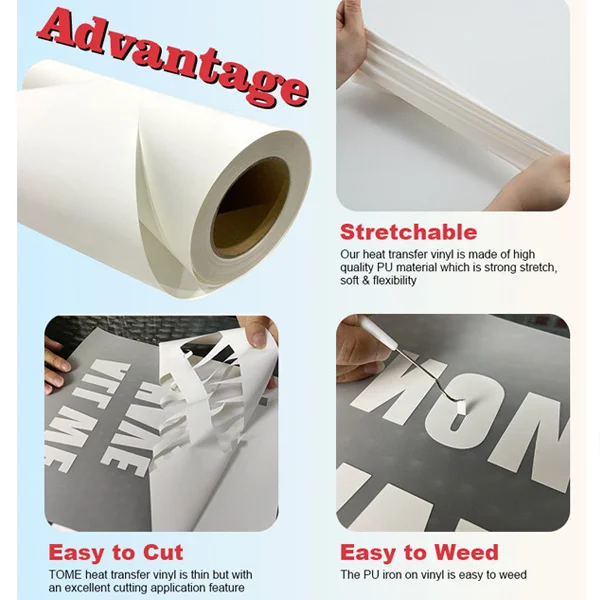
The most significant advantage of printable HTV is its ability to reproduce full-color, photographic-quality designs. This is not possible with standard HTV without layering multiple vinyl pieces, which is time-consuming and may create visible seams.
Accessibility
Printable HTV works with standard home inkjet printers, making it highly accessible. No industrial screen-printing equipment is required — a basic inkjet printer is often enough.
Cost-Effective for Small Runs
For small batch production (1–10 pieces), printable HTV is more cost-effective than screen printing, which requires expensive setup such as screens and inks.
Versatility
Printable HTV can be applied to cotton, polyester, blends, canvas, denim, felt, and more. It is suitable for T-shirts, hoodies, bags, hats, aprons, and home textiles.
Creative Freedom
It allows you to print any design, photo, or artwork, enabling unlimited creative possibilities for custom gifts, branding, and personalized apparel.
Types of Printable Heat Transfer Vinyl
Not all printable HTV is the same. Different types are designed for different printers, applications, and finish effects.
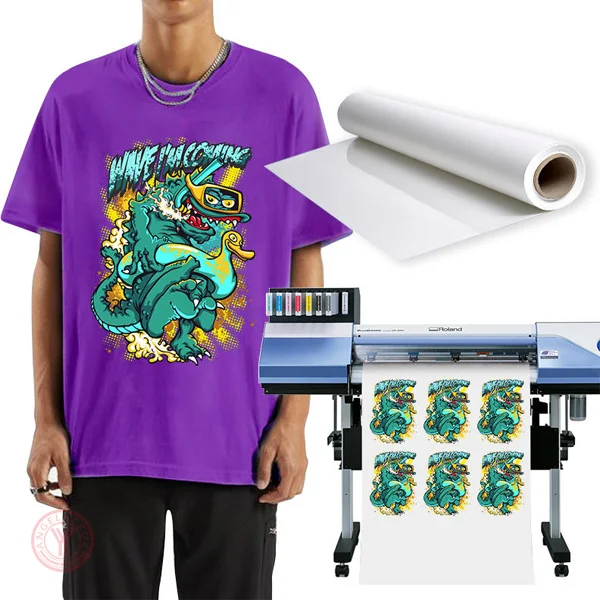
Inkjet Printable HTV
The most common type, compatible with consumer inkjet printers. It delivers bright, accurate colors and is ideal for home and small business use. However, prints may require careful washing to maintain durability.
Laser Printable HTV
Designed for laser (toner-based) printers. It offers stronger durability and better water resistance compared to inkjet versions, making it suitable for professional use and longer-lasting prints.
Eco-Solvent / Sublimation Printable HTV
Used with eco-solvent or sublimation printers, typically in professional print shops. It produces highly vibrant and durable results but requires specialized equipment.
Glitter & Specialty Printable HTV
Includes glitter, holographic, and metallic finishes that add unique visual effects. These are popular for fashion items, accessories, and custom gifts.
White vs. Clear Printable HTV
White-backed HTV is ideal for dark fabrics to ensure vivid color reproduction. Clear-backed HTV is best for light fabrics, allowing the fabric color to show through for a seamless look.
How to Use Heat Transfer Printable Vinyl
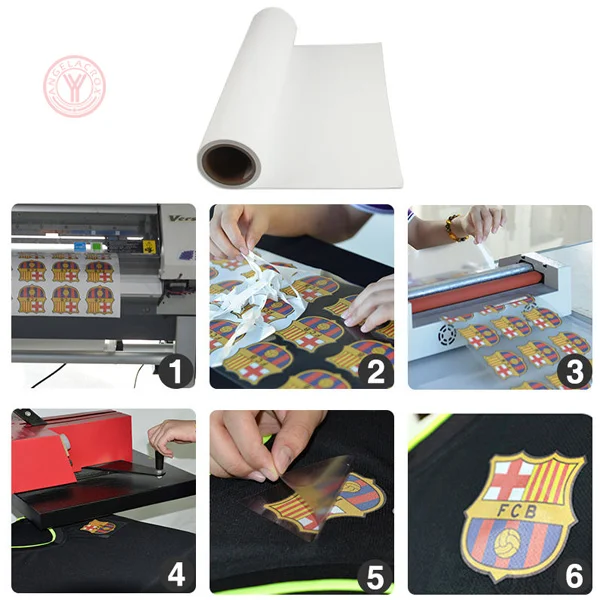
The process of using printable heat transfer vinyl involves four main stages: designing, printing, cutting (optional), and pressing.
1. Designing
Create your design using software such as Adobe Illustrator, Photoshop, CorelDRAW, Canva, GIMP, or Inkscape. You can use full-color images, gradients, or photos. Remember to mirror (flip horizontally) the design before printing so it transfers correctly onto fabric.
2. Printing
Load the printable HTV into your printer with the printable side up. Most products are compatible with inkjet printers, while some are designed for laser or eco-solvent printers. Always follow manufacturer instructions and allow the ink to dry completely before continuing.
3. Cutting
Use a cutting machine such as Cricut or Silhouette for precise shapes with “print then cut” functionality. You can also cut by hand if detailed edges are not required.
4. Pressing
Place the design on the fabric and apply heat using a heat press or iron. Typical conditions are 150–160°C (305–320°F) for 10–15 seconds with medium pressure. Peel according to product instructions after cooling.
Washing Instructions:
To make your design last, wait at least 24 hours before washing the garment. Turn the clothing inside out, wash in cold water on a delicate cycle, and hang dry or tumble dry on low heat.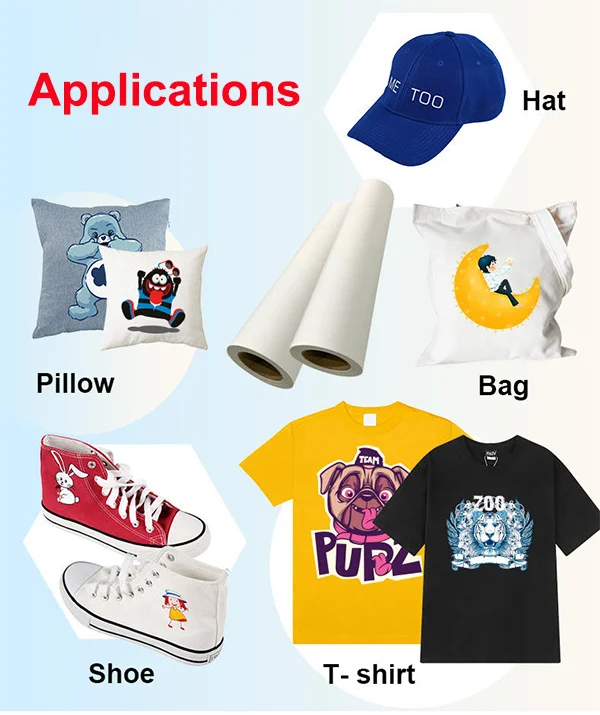
Common Applications
Printable HTV is used across a wide range of applications.
Custom Apparel: T-shirts, hoodies, jerseys, and polo shirts with personalized names, numbers, logos, or full-color designs.
Personalized Gifts: Tote bags, pillow covers, aprons, and baby onesies, especially for photo prints and custom designs.
Small Business Merchandise: Used by entrepreneurs and designers to create branded products, fan gear, and limited-edition apparel without high production costs.
School and Sports Teams: Ideal for custom uniforms, team shirts, and spirit wear for schools and sports groups.
Events and Parties: Commonly used for custom sashes, shirts, and bags for weddings, reunions, and promotional events.
Printable HTV vs Regular Heat Transfer Vinyl
Printable HTV is ideal when visual complexity is required, while standard HTV is better for simple designs.
| Feature | Printable HTV | Regular HTV |
|---|---|---|
| Color Options | Unlimited (full color) | Limited solid colors |
| Design Type | Photos, gradients | Shapes, text |
| Equipment | Printer + cutter | Cutter only |
| Complexity | High detail designs | Simple designs |
| Setup Cost | Medium | Low |
Compatible Fabrics and Surfaces
Printable HTV works best on smooth natural and synthetic fabrics. Cotton offers excellent adhesion and vibrant color results.
Polyester is also suitable, typically applied at lower temperatures to prevent heat damage. Cotton-polyester blends are widely used and highly compatible.
Some printable HTV can also be applied to wood, leather, and certain rigid plastics, but results may vary and testing is recommended before full application.
Avoid using on nylon, waterproof fabrics, or heavily textured surfaces, as adhesion may be weak. Always pre-press fabric briefly to remove moisture and wrinkles for better bonding.
Where to Buy
Explore our full range of Printable Heat Transfer Vinyl products to find the perfect material for your project.Or contact us directly to get a quote, request free samples, or discuss your custom requirements with our experts.