
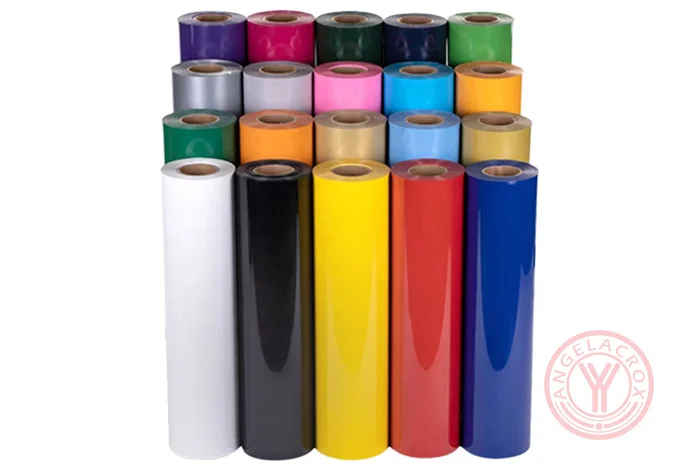
PVC heat transfer vinyl is a thin, flexible film made from polyvinyl chloride (PVC) plastic, coated on one side with a heat-activated adhesive and backed by a carrier sheet. You cut your design into it, weed away the excess, then press it onto fabric with a heat press or iron.
Characteristics of PVC HTV:
- Durability — resistant to washing, stretching, and cracking
- Vibrant colors — holds color well over time,we provide 20+ colours for you to choose from.
- Ease of use — cuts and weeds cleanly
- Affordability — generally less expensive than other HTV types
- Finish options — available in matte, glossy, and metallic finishes
How It Works
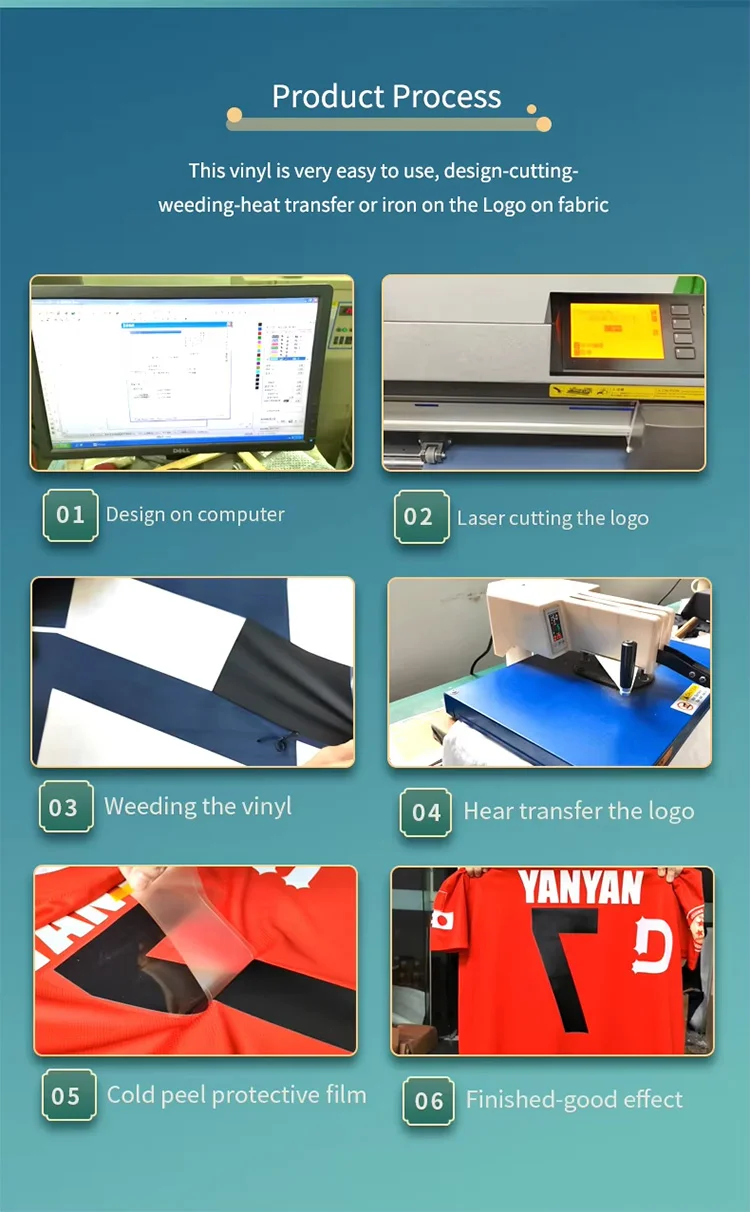
- Design & Cut: Designs are created on a computer and cut in reverse (mirrored) using a digital vinyl cutter or plotter.
- Weed: The excess vinyl surrounding the design is peeled away, leaving only the desired graphic on a transparent, heat-resistant carrier sheet.
- Press: The vinyl is placed face-down on the fabric and applied using a heat press or home iron (typically at 140–145°C / 284–293°F for 8–10 seconds).
- Peel: The carrier sheet is removed (usually after cooling) to reveal the finished design.
Common applications
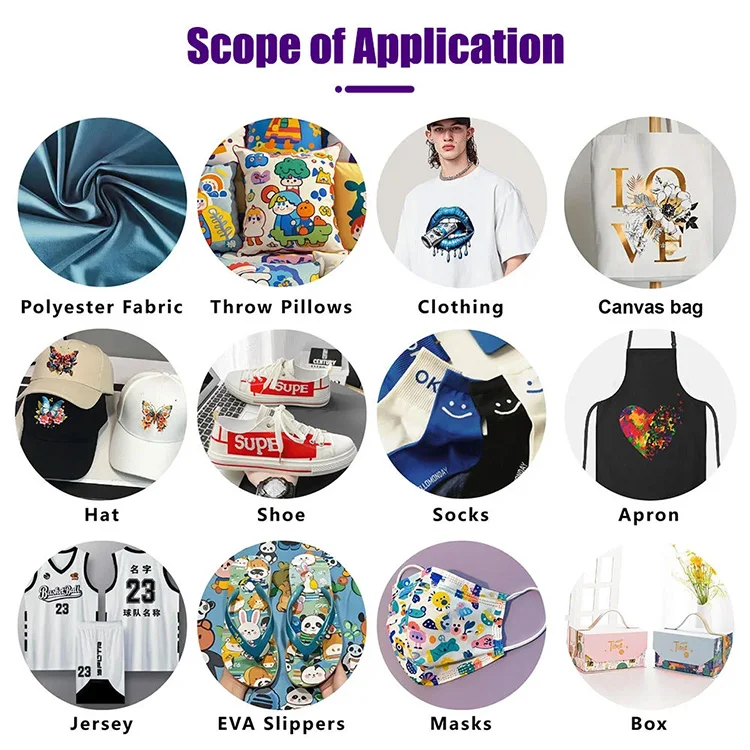
- Custom T-shirts and hoodies
- Sports team uniforms
- Workwear branding
- Promotional apparel
- School and event clothing
Difference Between PU and PVC Heat Transfer Vinyl
PU (Polyurethane) and PVC (Polyvinyl Chloride) are the two main types of heat transfer vinyl (HTV) used for garment decoration. PU is thinner, softer, stretchable, and eco-friendly, making it the top choice for apparel. PVC is thicker, stiffer, and less expensive, often used for durable non-apparel items.
- Comfort & Wearability: Because PU is incredibly soft and elastic, it moves and stretches with the fabric. It is highly recommended for t-shirts and activewear. PVC sits rigidly on top of the fabric and can feel heavy or crack over time when applied to stretchy materials.
- Intricate Designs: PU is much easier to cut and weed, especially for small, detailed lettering or complex graphics. PVC's stiffer, thicker nature makes fine cutting and weeding much more difficult.
- Safety: PU is 100% safe and free from toxic ingredients like phthalates, passing strict regulations. Standard PVC contains plasticizers and isn't recommended for children's clothing.
- Longevity: PU will often last as long as the garment itself if washed and cared for properly. PVC, while less common for apparel, can be great for outdoor signage or items requiring high durability against abrasions.
| Feature | PU (Polyurethane) | PVC (Polyvinyl Chloride) |
|---|---|---|
| Thickness | Very thin (0.09 mm - 0.1 mm) | Thicker (0.15 mm - 0.16 mm) |
| Feel / Softness | Soft, cloth-like; stretches with the fabric | Stiff, plasticky; does not stretch easily |
| Weed & Cut | Great for fine, intricate details | Harder to cut and weed fine designs |
| Application | Usually hot peel (peel immediately after pressing) | Usually cold peel (peel after cooling) |
| Environmental | Eco-friendly, non-toxic, safe for baby clothes | Contains chemicals like phthalates; not ideal for infants |
| Cost | More expensive | Budget-friendly |
PU HTV is the better all-around choice for most apparel — softer hand feel, more durable, safer materials, and works on more fabric types. PVC HTV makes sense when you're working on a budget or need specific effects like high gloss.
Is PVC Heat Transfer Vinyl Safe?
PVC Heat Transfer Vinyl (PVC HTV), made from polyvinyl chloride Polyvinyl chloride, is generally considered safe for normal textile applications when it is properly manufactured and used under recommended conditions. It is widely used in garment decoration due to its strong coverage, durability, and cost-effectiveness. When applied correctly at controlled heat press temperatures and in a well-ventilated workspace, PVC HTV does not pose health risks to end users wearing the finished garments. However, safety concerns mainly arise during the production process if the material is overheated or burned, which may release irritating fumes and cause discomfort to the eyes or respiratory system. Low-quality PVC vinyl may also contain plasticizers if not strictly regulated, making compliance with standards such as REACH, RoHS, or OEKO-TEX important for safer use. Compared with alternatives like PU or TPU heat transfer vinyl, PVC is slightly less eco-friendly but still widely accepted in the industry when properly controlled. Overall, PVC Heat Transfer Vinyl is safe for clothing applications as long as it is sourced from reliable suppliers and processed with correct temperature settings and proper ventilation.
YanYan is a professional manufacturer specializing in heat transfer vinyl (HTV) materials, including PVC HTV, TPU HTV, silicone HTV, and a wide range of functional and decorative vinyl solutions. With advanced production technology, stable quality control, and strong customization capabilities, YanYan focuses on providing durable, easy-to-use, and cost-effective materials for garment decoration and textile printing industries worldwide. Our products are designed to deliver excellent cutting performance, strong adhesion, and long-lasting color retention, helping customers improve both production efficiency and end-product quality.
? Looking for high-quality PVC Heat Transfer Vinyl for your business?
Contact YanYan today to get free samples, professional technical support, and customized HTV solutions that fit your production needs and help you stand out in the apparel market.