
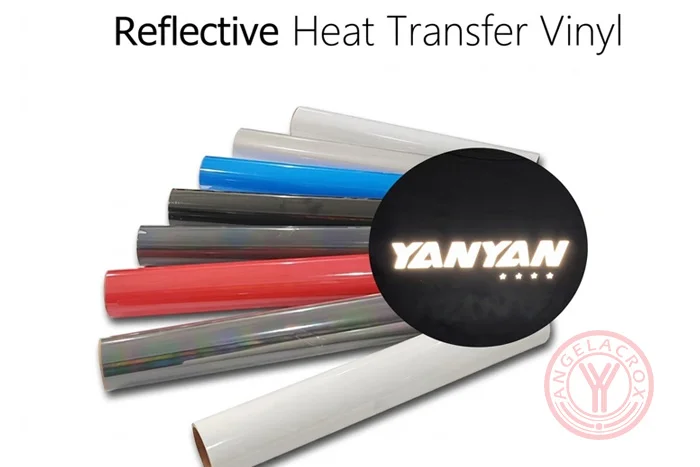
How it works:
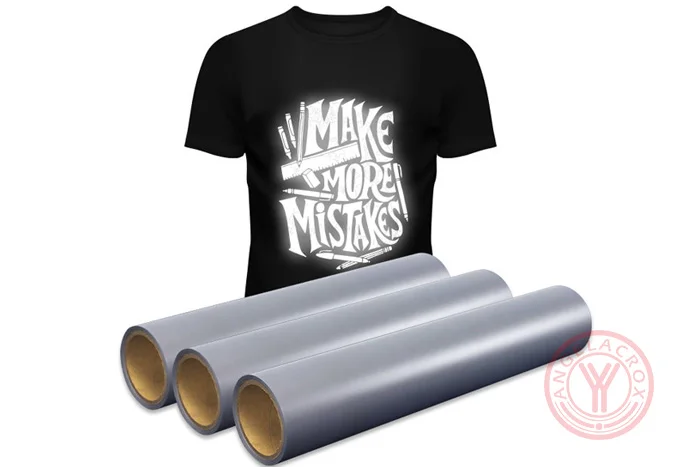
Reflective HTV contains tiny glass beads or micro-prismatic elements embedded in the material. When light (like car headlights or a flashlight) hits the surface, it bounces back toward the light source rather than scattering, creating that bright, glowing effect.Key Features of Reflective HTV
- High-Intensity Illumination: Uses micro-glass bead or prism technology to reflect light directly back to the source, improving nighttime visibility.
- Daytime Aesthetics: Available in silver and multiple color options with a smooth, metallic finish in daylight.
- Soft & Flexible: PU-based structure ensures thin, stretchable material that moves with fabric without cracking.
- Easy Processing: Compatible with most cutting machines, featuring smooth cutting and easy weeding for fine details.
- Wide Fabric Compatibility: Works well on cotton, polyester, and cotton/poly blends.
- Wash Durability: Maintains reflectivity and adhesion after repeated machine washes.
Type of Reflective HTV vinyl
The five main types are Silver/Grey (industrial standard for maximum brightness), Colored (matches daytime style), Rainbow/Chameleon (shimmers in various hues), Printable (for custom logos), and Stretchable (for athletic wear).
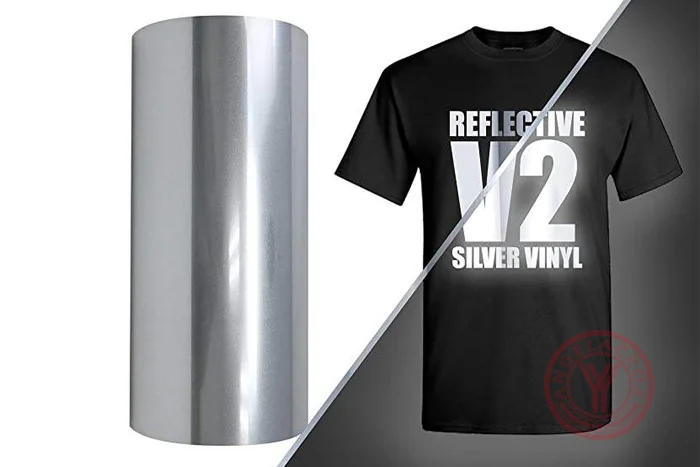
Silver / Grey Reflective HTV
- Appearance: Matte light-grey or silver during the day.
- Performance: Highest level of brightness and reflectivity.
- Best for: Construction workwear, first responder uniforms, and high-visibility safety apparel.
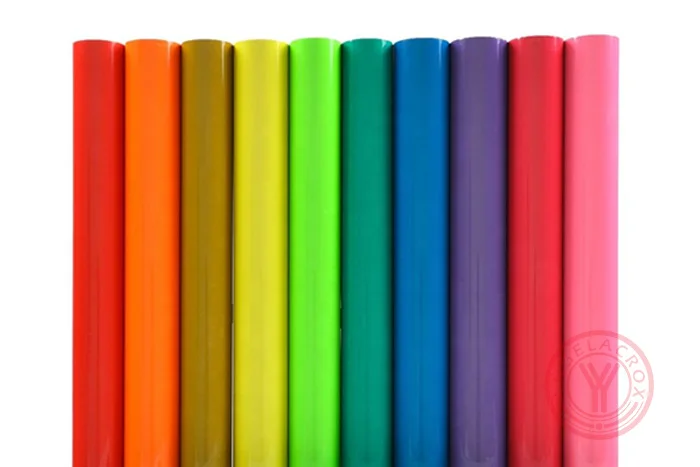
Colored Reflective HTV
- Appearance: Standard colored vinyl in daylight (Black Reflective HTV, Blue, Rainbow Reflective HTV, Gold, Green, Orange, Red Reflective HTV, Silver reflective HTV, White Reflective HTV and more (Customizable)).
- Performance: Reflective glow matches the base color.
- Best for: Custom streetwear, school spirit wear, and fashion designs with subtle safety features.
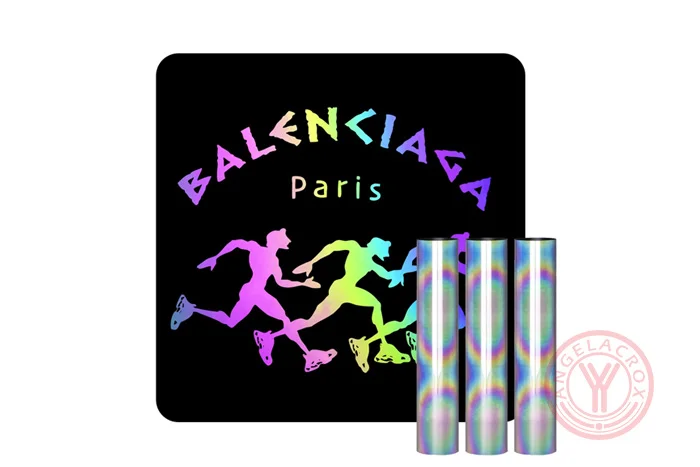
Rainbow (Holographic) Reflective HTV
- Appearance: Light grey or dark charcoal in normal light.
- Performance: Produces a vibrant rainbow/prismatic effect under direct light.
- Best for: Eye-catching decals, running gear, and personalized athletic apparel.
Printable Reflective HTV
- Appearance: White or silver base designed for printing.
- Performance: Supports full-color, detailed graphics while maintaining reflectivity.
- Best for: Custom logos, branding, and complex graphic designs.
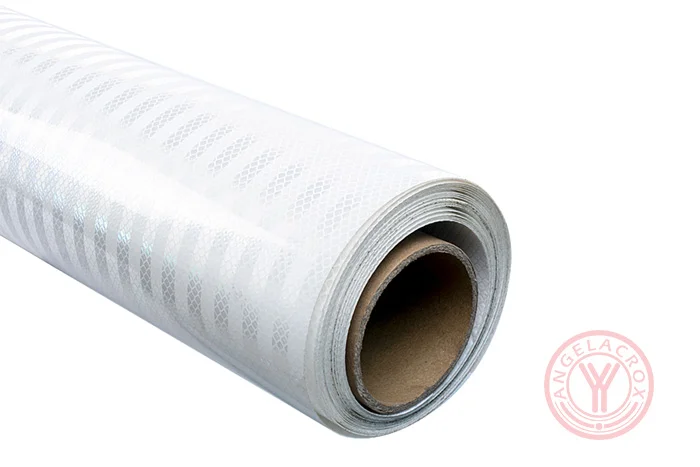
Stretchable Reflective HTV
- Appearance: Silver or colored finish with PU-based flexibility.
- Performance: Highly elastic; stretches without cracking or peeling.
- Best for: Athletic wear, spandex, Lycra, and yoga apparel.
Applications of Reflective HTV Heat Transfer Vinyl
Reflective Heat Transfer Vinyl (HTV) is widely used to customize activewear, safety gear, and accessories to enhance nighttime visibility and add a unique, dynamic style.Activewear and Sportswear
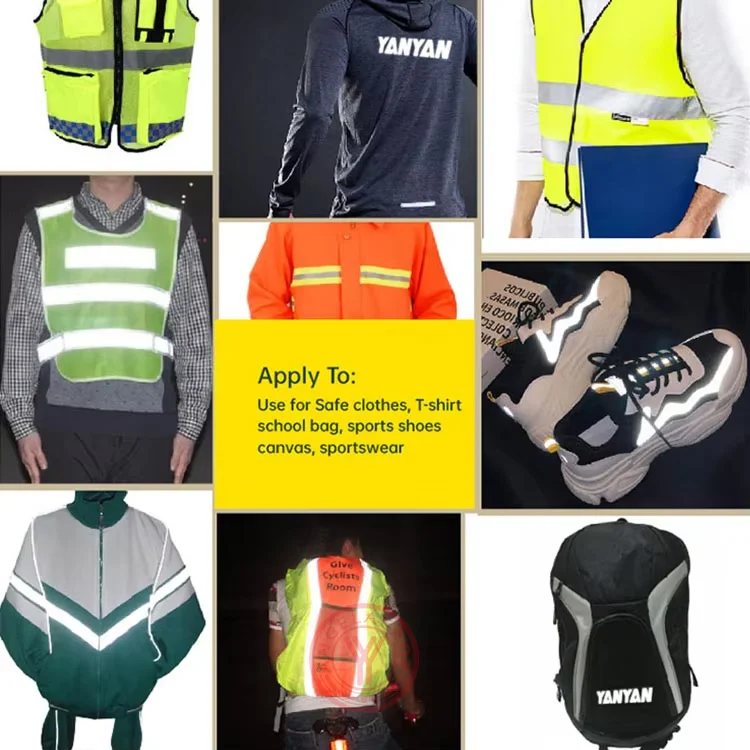
- Running & Cycling Gear: Adding reflective logos, stripes, or text to jackets, leggings, and vests ensures cyclists and night runners remain highly visible to passing vehicles.
- Team & School Uniforms: Highly practical for youth sports. Adding reflective team numbers or names helps parents and coaches spot kids during low-light evening games or late practices.
Safety and Workwear
- Custom Safety Gear: While not a substitute for certified safety vests, reflective HTV is ideal for customizing work shirts, road crew jackets, and warehouse uniforms to provide secondary visibility.
- Event Staff Apparel: Parking attendants, crossing guards, and event security personnel use reflective text on outerwear for nighttime visibility and identification.
Pet Gear and Accessories
- Pet Safety: Perfect for early morning or late-evening dog walks. Reflective HTV on collars, leashes, or vests helps pets stay visible in low light.
- Everyday Accessories: Reflective shapes on backpacks, shoes, or caps improve visibility for kids and commuters during dark hours.
Fashion and Streetwear
- Tone-on-Tone Design: Dark reflective vinyl on dark fabrics creates a subtle daytime look that becomes highly visible under flash or headlights.
- Athleisure Accents: Reflective cutouts on hoodies and tracksuits combine safety with modern streetwear aesthetics.
Reflective Vinyl vs. Regular Vinyl
| Feature | Reflective HTV | Regular HTV |
|---|---|---|
| Visibility in dark | Excellent | Poor |
| Color variety | Limited (mostly silver) | Vast range |
| Flexibility/stretch | Less stretchy | More stretchy |
| Detail/intricacy | Moderate | High |
| Cost | Higher | Lower |
| Everyday appearance | Dull silver/grey | Vibrant, colorful |
| Feel on fabric | Thicker, stiffer | Thinner, softer |
| Durability | High | Moderate to High |
How to Use Reflective Heat Transfer Vinyl?
What You'll Need
- Reflective HTV
- Cutting machine (Cricut, Silhouette, etc.)
- Heat press or household iron
- Weeding tools
- Transfer tape or the carrier sheet
Step-by-Step Process
1. Design & Mirror
Create or import your design in your cutting software. Always mirror (flip) the image before cutting — you cut from the vinyl's backing side.
2. Cut Settings
Reflective HTV is thicker than regular vinyl. Use these as starting points and test on a scrap:
- Blade depth: slightly deeper than standard HTV
- Pressure: medium pressure
- Speed: slow (around 2–4 on most machines)
- Cut on the dull/matte side facing up
3. Weed the Excess
Remove the material around your design using a weeding hook. Reflective vinyl can be stiffer, so work carefully around fine details.
4. Heat Press Settings
- Temperature: 140–145°C (284–293°F)
- Time: 8 to 10 seconds
- Pressure: medium pressure
- Press with the shiny carrier sheet facing up
5. Peel
Most reflective HTV is a cold peel — let it cool completely before removing the carrier sheet. Peeling warm can lift the design.
6. Final Press (Optional)
Flip the garment inside out and press for another 3–5 seconds to bond the edges and improve durability.
Tips
- Test first — always do a test cut and press on scrap fabric before the final piece
- Works best on cotton, polyester, and cotton-poly blends
- Avoid pressing directly on the reflective surface without the carrier sheet
- For layering, use reflective HTV as the base layer
- Hand wash inside out in cold water to extend the life of the design
FAQs
Is reflective heat transfer vinyl a cold peel?
Yes. Most reflective HTV requires a cold peel, meaning you should let it cool completely before removing the carrier sheet to ensure proper adhesion and clean edges.
How long does reflective vinyl last?
With correct heat application and care, reflective HTV typically lasts 3–5 years, even after multiple washes.
Can you print on reflective vinyl?
Yes, but only with printable reflective HTV types designed for UV, eco-solvent, or screen printing. Standard reflective vinyl is not printable.
Looking for reliable reflective HTV for your next project?
We offer multiple types including silver, colored, printable, and stretchable options to meet different production needs.
? Browse our reflective heat transfer vinyl collection or request a free sample today.